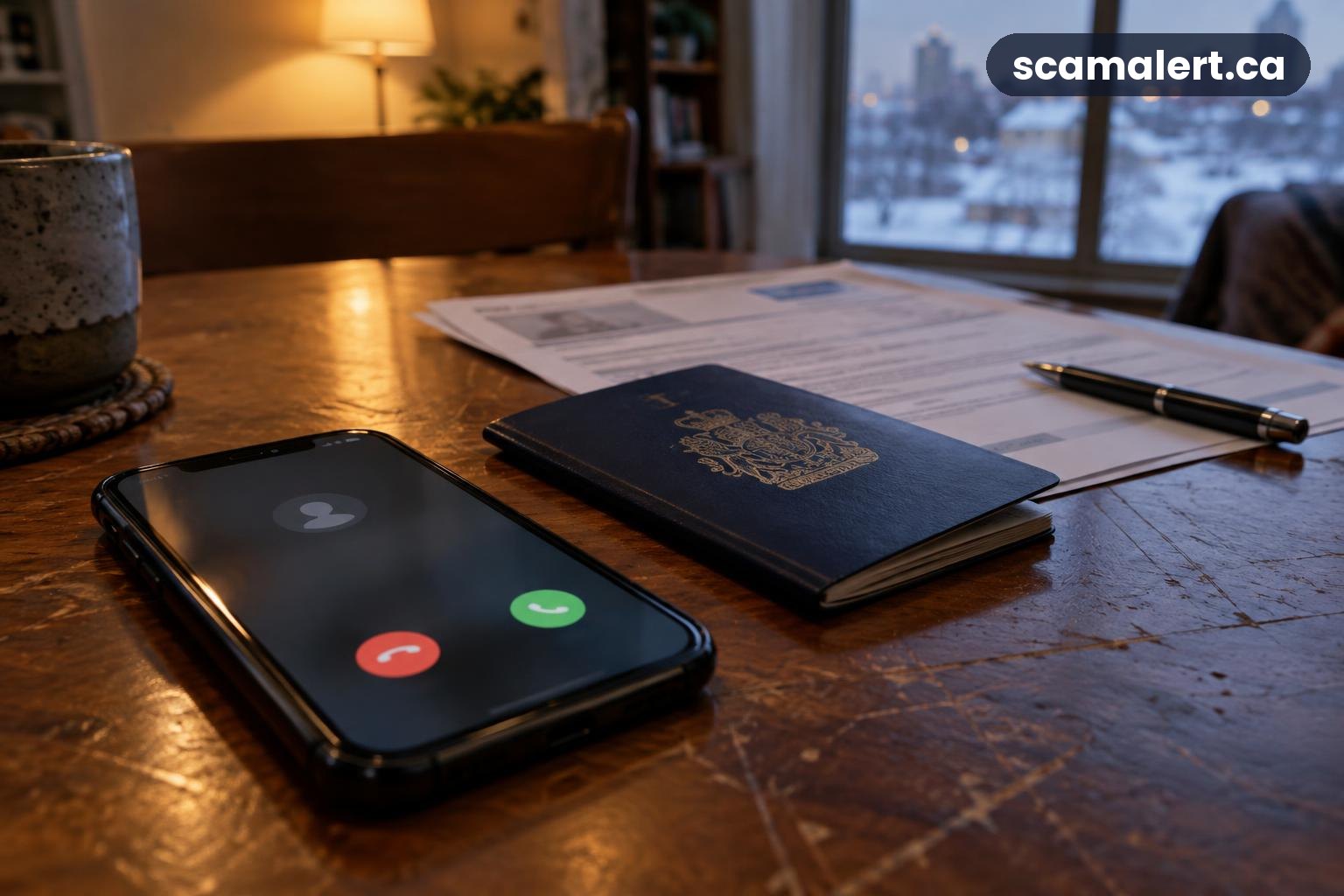
Fraudsters are using artificial intelligence to pose as immigration officials in a Canada visa scam, according to the source headline. The warning is relevant to people applying for a visa or looking for immigration help, especially anyone contacted unexpectedly about an application.
The headline does not describe a particular incident or explain exactly how the AI is being used. Whatever the method, a convincing voice, image or message is not proof that a person represents the Canadian government. Check requests through official channels before sharing information or paying.
What the scam looks like
In an immigration impersonation scam, someone may claim to be an official or to have special access to a visa application. They might contact you by phone, email, text or social media and try to make the approach seem genuine. The use of AI can make a false identity or communication appear more believable, but it does not make the contact official.
Scammers commonly use pressure to stop people from taking time to check. They may claim there is a problem with an application, a deadline is about to pass, or a payment is needed to avoid a negative outcome. They may ask for money, identity documents, banking information, passwords or a verification code. These are general warning signs of impersonation scams; the source headline does not specify which tactics were used in this case.
Some fraudsters may claim they can guarantee a visa or speed up an application for a fee. Be cautious of anyone who promises an outcome or insists that you deal only through them. A professional-looking profile, caller display or document can be copied or faked, so verify the person independently instead of relying on what they send you.
Red flags to watch for
- Unexpected contact: Someone reaches out about an application you did not ask them to handle, or claims to be an official without giving you a way to verify their identity.
- Pressure or threats: They demand immediate action, warn that you will be arrested or deported, or say you will lose an application unless you pay right away.
- Unusual payment requests: They ask you to pay through gift cards, cryptocurrency, a money transfer or another method that is difficult to reverse.
- Requests for sensitive details: They ask for passwords, one-time security codes, banking details or copies of identity documents through an unverified channel.
- Promises of special treatment: They guarantee approval, offer a shortcut or claim they can influence an official decision.
- Instructions not to check: They discourage you from contacting the government directly, speaking with someone you trust or taking time to review the request.
What to do if you’ve been targeted
- Pause the conversation. Do not pay, share information, open attachments or follow links while you are unsure who contacted you. Do not use contact details supplied in a suspicious message to verify the claim.
- Check independently. Find the official Canadian government immigration website by searching for it yourself or entering its known address. Use the contact options published there to ask whether the request is genuine. If you use an immigration representative, check their credentials through the appropriate official regulator before paying or handing over documents.
- Keep records. Save messages, emails, payment requests, usernames and call details. Do not forward suspicious links to others. These records may help your bank, police or the Canadian Anti-Fraud Centre.
- Secure your accounts and documents. If you shared a password, change it and any other account password that uses it. If you gave out a security code, contact the relevant service promptly. If you shared banking details or sent money, call your bank using the number on your card or statement and ask what steps to take. If identity documents were exposed, contact the issuing organization for guidance.
- Tell someone you trust. A second person can help you review the contact calmly and avoid being rushed into a decision.
How to report it
Report suspected fraud to the Canadian Anti-Fraud Centre online at antifraudcentre-centreantifraude.ca or by calling 1-888-495-8501. You can report even if you did not lose money.
Contact your local police to report the incident, particularly if you have lost money, shared identity documents or been threatened. If money or banking details are involved, contact your bank immediately using a trusted number, such as the one on your bank card or statement. Quick reporting may help limit further losses and lets the relevant organizations know what happened.
Source: Fraudsters Are Using AI To Pose As Immigration Officials: How The Canada Visa Scam Works – News18
Reviewed by our editorial team on .

The Scam Alert Team tracks fraud targeting Canadians and turns official warnings into clear, practical advice. Our team has a background in IT and cybersecurity, and every article is fact-checked against official sources before publication. How we verify alerts