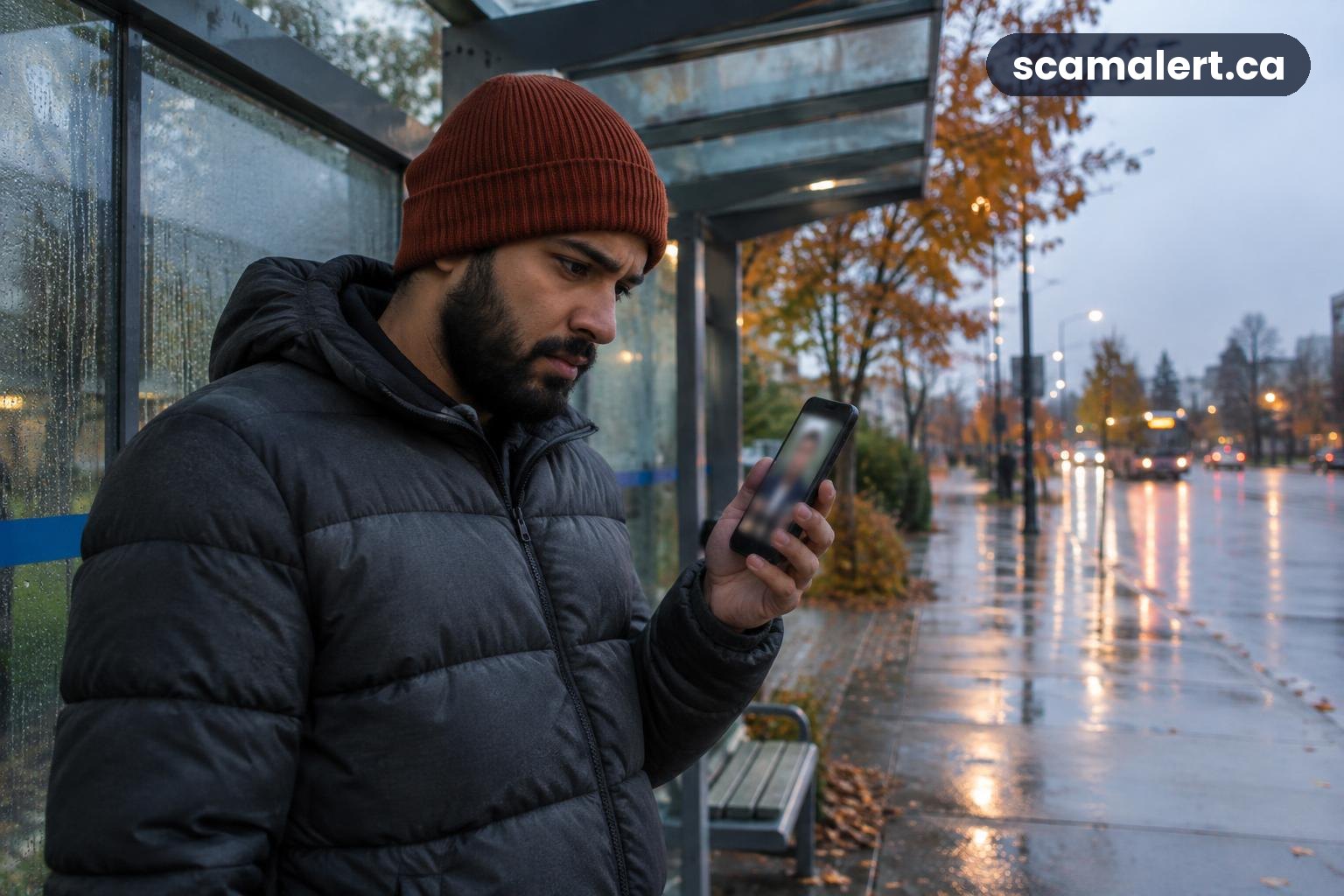
A report says applicants in Punjab have been duped in a scam involving people using artificial intelligence (AI) to pose as Canadian immigration officials. Anyone applying to come to Canada, or helping a family member with an application, should verify messages and requests through official channels before sharing information or paying.
What the scam looks like
The report’s headline describes fraudsters using AI to impersonate officials, but does not provide details about the specific methods or losses. In general, an impersonator may contact an applicant by phone, video call, email or messaging app and claim to be connected to a Canadian immigration office. AI can be used to make a voice or video seem more convincing, but a familiar-sounding voice or official-looking image is not proof of someone’s identity.
The person may say there is a problem with an application, demand an urgent payment, or offer to secure approval. They may also ask for personal information, copies of identity documents, account passwords or verification codes. These are examples of tactics used in impersonation scams; they are not confirmed details of the reported incident.
Immigration applications can involve real fees and requests for information. The important distinction is how you verify the request: do not rely on contact details, links or instructions supplied by an unexpected caller or message. Use the Government of Canada’s official immigration channels, reached independently, to check your application or find contact information.
Red flags to watch for
- Pressure to act immediately. A caller says you will lose your chance, be arrested or face serious consequences unless you pay or respond at once.
- Payment by unusual methods. Be cautious if someone asks for gift cards, cryptocurrency, a wire transfer to a personal account or another hard-to-reverse payment method.
- Promises of guaranteed approval. No representative can honestly guarantee that an application will be approved.
- Requests for passwords or one-time codes. Do not share sign-in details or security codes with someone who contacts you unexpectedly.
- Unverified contact details. A caller ID, email address, profile photo or video is not enough to establish that a person works for the government.
- Threats or secrecy. Be wary if you are told not to speak with family, a qualified adviser, your bank or the authorities.
- Pressure to use a particular representative. Check a paid representative’s credentials independently rather than relying on their own claims.
What to do if you’ve been targeted
- Pause contact. Do not send money, documents, passwords or verification codes while you are unsure who you are dealing with. Avoid using links or phone numbers provided in the suspicious message.
- Verify independently. Go to the Government of Canada’s official immigration website by typing its address yourself or finding it through a trusted government directory. Check application information there or use contact details listed on the official site.
- Protect your accounts and identity. If you shared a password, change it using the genuine service and update any other accounts that use the same password. If you provided identity documents, keep a record of what was shared and watch for unexpected account or credit activity.
- Contact your bank promptly if money or banking details were involved. Explain what happened and ask what steps are available to secure your account or try to stop a payment. Keep transaction records and messages.
- Save evidence. Keep screenshots, emails, phone details, receipts and copies of messages. Do not continue engaging with the person to gather more information.
- Tell anyone who may be at risk. If a family member or adviser helped with the application, let them know what happened so they can also protect their information.
How to report it
Report the incident to the Canadian Anti-Fraud Centre at antifraudcentre-centreantifraude.ca or by calling 1-888-495-8501. If you are in Canada, contact your local police as well. If money or banking details were involved, contact your bank immediately. Reporting can help document the incident and may help protect others, even if you are unsure whether a payment can be recovered.
If you are outside Canada, report the incident to the appropriate local police or consumer-protection authority where you live, as well as to the Canadian Anti-Fraud Centre if the matter involves a Canada-related immigration impersonation. The real Canadian government is not responsible for messages sent by people pretending to be its officials.
Reviewed by our editorial team on .
Last updated

The Scam Alert Team tracks fraud targeting Canadians and turns official warnings into clear, practical advice. Our team has a background in IT and cybersecurity, and every article is fact-checked against official sources before publication. How we verify alerts