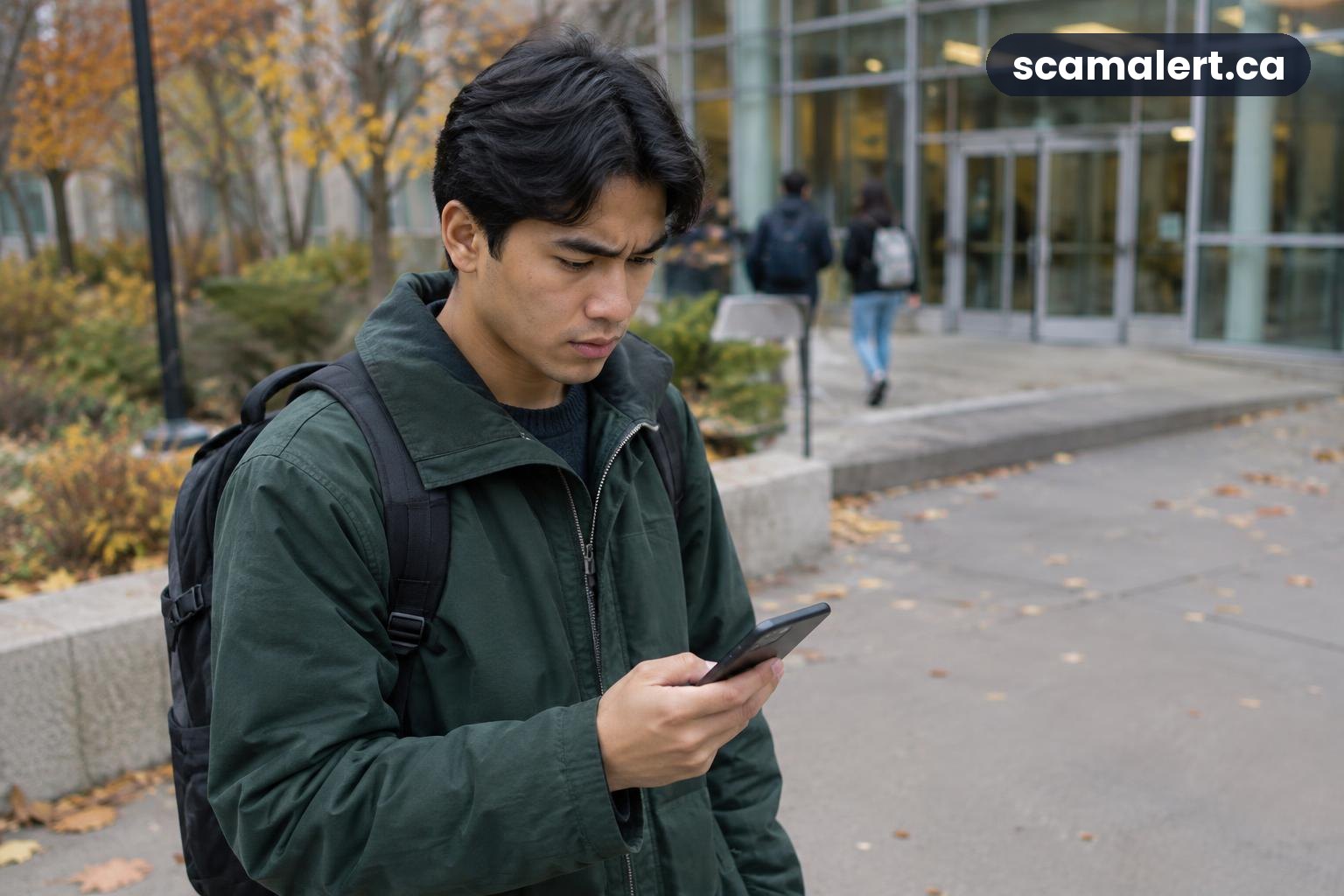
Two people have been arrested in connection with an alleged $1-million fraud involving university admission, immigration, loans and investments. The headline does not give details about the location, people involved or how the alleged fraud operated, but the range of services is a reminder to check high-stakes offers carefully.
What the scam looks like
The reported allegations link four areas where people may be making major decisions: getting into university, accessing immigration help, borrowing money and investing. The headline does not explain what was promised or how people were approached, so it is not possible to say whether any particular method was used in this case.
In general, dishonest offers in these areas can be presented as shortcuts or special access. Someone may claim they can secure an admission, arrange immigration help, obtain a loan or produce investment gains. A convincing message, professional-looking paperwork or confident assurances are not proof that an offer is genuine.
University admission decisions should be checked directly with the institution using contact details you find independently. For immigration matters, check the person’s credentials and use official Canadian government information to understand the process. Before borrowing or investing, make sure you understand who is offering the service, what the terms are and where your money will go. Do not rely only on contact details or links supplied by the person making the offer.
An arrest is not a finding of guilt. The people arrested in this report remain subject to the legal process, and the allegations should not be treated as proven facts. The public information provided here does not identify a university, immigration service, lender or investment company as being involved.
Red flags to watch for
- A promise of guaranteed results. Be wary of anyone claiming they can ensure admission, immigration approval, loan approval or investment returns.
- Pressure to act immediately. A demand to pay or share personal information before you can verify an offer is a reason to pause.
- Unclear fees or terms. Ask for a written explanation of costs, services, repayment obligations and risks. Do not proceed if the answers are evasive or inconsistent.
- Requests to pay in unusual ways. Be cautious if you are asked to send money through an unfamiliar method, to an individual, or somewhere that does not match the service provider’s verified details.
- Requests for sensitive information. Do not give out banking passwords, one-time security codes or identity documents just because someone says they are needed to secure an offer.
- Contact details you cannot verify. Find the university, regulator, lender or other organization independently and confirm the offer through its official channels.
What to do if you’ve been targeted
- Stop and save the evidence. Do not send more money or information. Keep messages, emails, receipts, account details and copies of documents. Avoid deleting the conversation.
- Verify the offer independently. Contact the university, relevant immigration professional or organization, lender, or investment provider using details you find yourself. Ask whether the person and offer are legitimate.
- Contact your bank promptly if money or banking details are involved. Explain what happened and ask what steps can be taken to protect your accounts or payment methods. Change exposed passwords and secure any affected accounts.
- Protect your identity. If you shared identity documents or personal information, contact the organizations that may be affected and follow their advice. Be alert for unexpected messages or new requests claiming to help recover money.
- Do not pay to get your money back. Treat unsolicited promises to recover funds, especially in exchange for an upfront payment, with caution.
- Tell someone you trust. A second opinion can help you assess the offer and decide what to do next without pressure.
How to report it
Report suspected fraud to the Canadian Anti-Fraud Centre at 1-888-495-8501 or through antifraudcentre-centreantifraude.ca. You can also contact your local police. If money was sent or banking information was shared, contact your bank as soon as possible. Keep your records and provide them when making a report.
Reviewed by our editorial team on .
Last updated

The Scam Alert Team tracks fraud targeting Canadians and turns official warnings into clear, practical advice. Our team has a background in IT and cybersecurity, and every article is fact-checked against official sources before publication. How we verify alerts