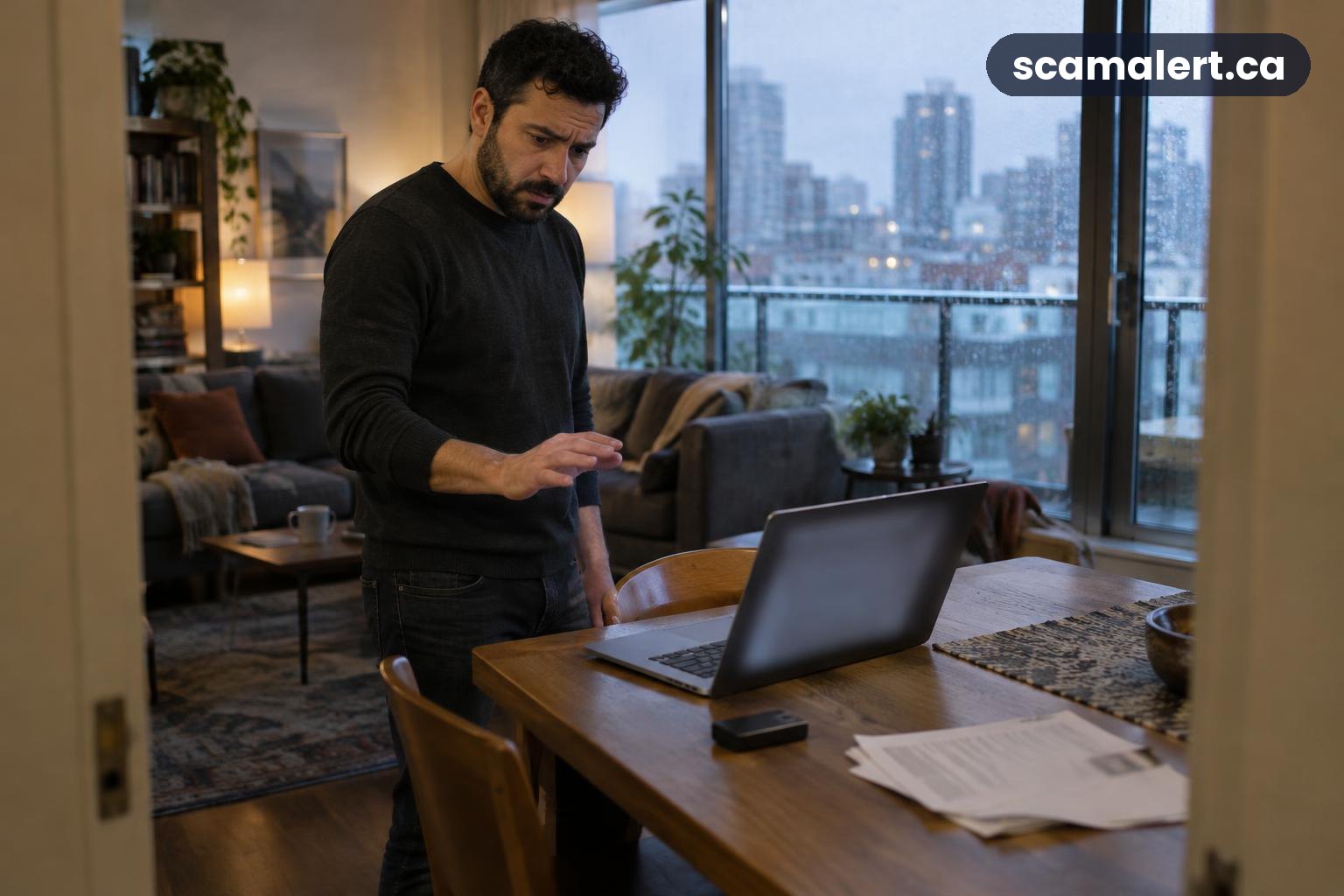
If you have lost money to a cryptocurrency scam, be cautious of anyone who promises to get it back for a fee. Crypto recovery scams target people who are already worried about a loss, offering fake investigations, legal help or special access to funds. Some recovery services may be legitimate, but no stranger can guarantee that your cryptocurrency will be recovered. Do not send more money or share wallet access until you have independently checked who you are dealing with.
How crypto recovery scams work
After someone loses cryptocurrency, they may search online for help, post about what happened, or contact a platform or authority. A recovery scammer may then approach them—or respond to their request—claiming to be able to trace, retrieve or release the funds. The contact can come through social media, messaging apps, email, a phone call, or a website that appears professional.
The person may say they are a recovery specialist, investigator, lawyer, blockchain expert or representative of an organization. They may claim that they have already located the missing funds or can access them through a special process. To make the offer sound credible, they can use technical language, staged testimonials, documents that look official, or details about the victim’s earlier loss.
The scammer usually asks for payment before any supposed recovery. They might call it a tracing charge, tax, legal fee, verification payment, wallet activation cost or commission. After a payment, they may invent another reason to demand more. In some cases, they try to get access to the victim’s cryptocurrency wallet or online accounts instead of—or as well as—asking for fees.
Cryptocurrency transactions are generally difficult or impossible to reverse once confirmed. A transaction record may show where funds moved, but seeing an address does not mean someone can take the funds back. A claim that tracing alone guarantees recovery should be treated with caution.
Variations seen by Canadians
Recovery offers can arrive in different ways. A person who has posted about a loss in a public forum or on social media may receive unsolicited messages from accounts claiming they have helped others. Some messages may come from people pretending to be another victim who recommends a particular service. That recommendation can be part of the same approach.
Other offers may appear in search results, advertisements, comments, groups or direct messages. A website might use polished design, supposed case results and confident language to create an impression of expertise. Those features are not proof that a service is trustworthy. Be especially wary if the business asks you to communicate only through a private messaging app or pressures you to act quickly.
Some recovery scammers impersonate a real organization, professional or government body. They may claim that a regulator, police service, court, cryptocurrency exchange or international agency has approved the recovery. The real organization is not responsible for the impersonation. Contact the organization using contact details you find independently, not details supplied by the person who approached you.
A further risk is wallet or account access. Someone may ask you to install remote-access software, connect your wallet to a site, share a recovery phrase, provide a private key, or approve a transaction. Those requests can give the other person a way to take control of funds or accounts. Never share a wallet recovery phrase or private key with someone offering to recover money.
Red flags to watch for
- A guaranteed result: The person promises they will recover all your money or says the funds are already secured, without verifiable proof.
- Payment before results: They demand an upfront fee, repeated payments, cryptocurrency, gift cards or another hard-to-reverse payment method.
- New fees keep appearing: After you pay, they say another tax, release charge or verification step is needed before funds can be returned.
- Unsolicited contact: Someone you do not know contacts you after your loss and claims to have found your case or wallet.
- Requests for secret information: They ask for a seed phrase, private key, password, one-time passcode or access to your email or exchange account.
- Pressure to act now: They say you will lose the chance to recover funds unless you pay or grant access immediately.
- Remote access or wallet connection: They ask you to install software, share your screen, connect a wallet to an unfamiliar site or approve a transaction.
- Unverifiable credentials: They will not provide details you can check independently, or they discourage you from contacting your bank, police or the relevant platform.
How to protect yourself
Pause before replying to an offer, even if it refers to real details about your earlier loss. Scammers can find information in public posts, and a professional tone or technical vocabulary does not verify someone’s identity. Do not use contact details or links supplied in an unsolicited message to check its claims. Find the organization’s official contact information independently.
Do not send money to a recovery service based on a promise, and do not pay additional fees to release funds that someone claims to have recovered. Before considering any paid service, research the business independently, check whether its claimed professional credentials can be verified, and get advice from a trusted person. Avoid relying on testimonials hosted only on the service’s own pages.
Keep your wallet’s recovery phrase and private keys private. No legitimate support person needs them to investigate a loss. Do not share passwords or one-time codes, approve transactions you do not understand, or let an unknown person control your device. If you use a cryptocurrency exchange, contact it through its official app or website and ask what security steps are available.
Secure the email account and other accounts connected to your wallet or exchange. Use unique passwords and turn on multi-factor authentication where available. If you suspect someone has accessed an account, change its password from a device you believe is safe and contact the relevant service promptly. If a wallet’s secret information has been exposed, seek trusted security guidance about protecting any remaining funds. Do not use a recovery contact recommended by the person who approached you.
Keep copies of messages, usernames, email addresses, transaction records and payment receipts. Store them safely and avoid posting more personal or financial information publicly. These records may help your bank, exchange, police or the Canadian Anti-Fraud Centre understand what happened.
What to do if you have been targeted
- Stop communicating and do not pay more. Do not argue, warn the person, or follow new instructions. If you are unsure whether a contact is genuine, verify it independently.
- Protect your accounts and devices. If you shared a password, code or wallet information, contact the affected service using its official channels. Change exposed passwords and review account security. If you installed remote-access software, disconnect the device from the internet and get trusted technical help before using it for financial accounts.
- Contact your bank or payment provider if money or banking details were involved. Tell them what happened as soon as possible. They can explain what steps may be available for the payment method or account. Also contact the cryptocurrency exchange or service involved, if there was one.
- Save evidence. Keep messages, contact details, transaction information, receipts and any files the person sent. Do not delete the conversation before you have recorded what you need for a report.
- Report the incident. Contact the Canadian Anti-Fraud Centre and your local police. Reporting is worthwhile even if you are unsure whether money can be recovered or the person can be identified.
- Get support from someone you trust. Losing money can be upsetting, and a second recovery offer can make the pressure worse. Ask a trusted person to review any proposed next steps with you before you respond or pay.
How to report a recovery scam in Canada
Report suspected fraud to the Canadian Anti-Fraud Centre online at antifraudcentre-centreantifraude.ca or by phone at 1-888-495-8501. You can report an attempt even if you did not lose money. Include the contact method, names or usernames used, what was requested, and any payment or transaction details you can safely provide.
Contact your local police to report the incident, especially if you have lost money, shared account access or received threats. If money or banking details were involved, contact your bank or payment provider immediately. If a cryptocurrency exchange or wallet service was involved, notify it through a channel you locate independently. Keep your report or case information with your records.
Frequently asked questions
Can a crypto recovery service guarantee my money will be returned?
No one should promise a guaranteed recovery. Cryptocurrency transfers can be difficult or impossible to reverse, and tracing a transaction does not by itself give someone the power to return funds. Treat a guaranteed result or demand for advance payment as a serious warning sign.
Is every business offering recovery help a scam?
Not necessarily. But a business’s claims, credentials and fees need to be checked independently, and no service should need your private key or recovery phrase. Do not rely only on its website, testimonials or recommendations from strangers.
What if I already paid a recovery fee?
Do not pay more. Contact your bank or payment provider if their service or your banking details were involved, and report the incident to the Canadian Anti-Fraud Centre and local police. Save messages and receipts, and secure any accounts or wallet information you shared.
Should I report it if I only received a message?
Yes. You can report an attempted scam even if you did not pay. Keep the message and contact details, avoid clicking links or replying with personal information, and use independently found contact details to check any claim.
Reviewed by our editorial team on .

The Scam Alert Team tracks fraud targeting Canadians and turns official warnings into clear, practical advice. Our team has a background in IT and cybersecurity, and every article is fact-checked against official sources before publication. How we verify alerts