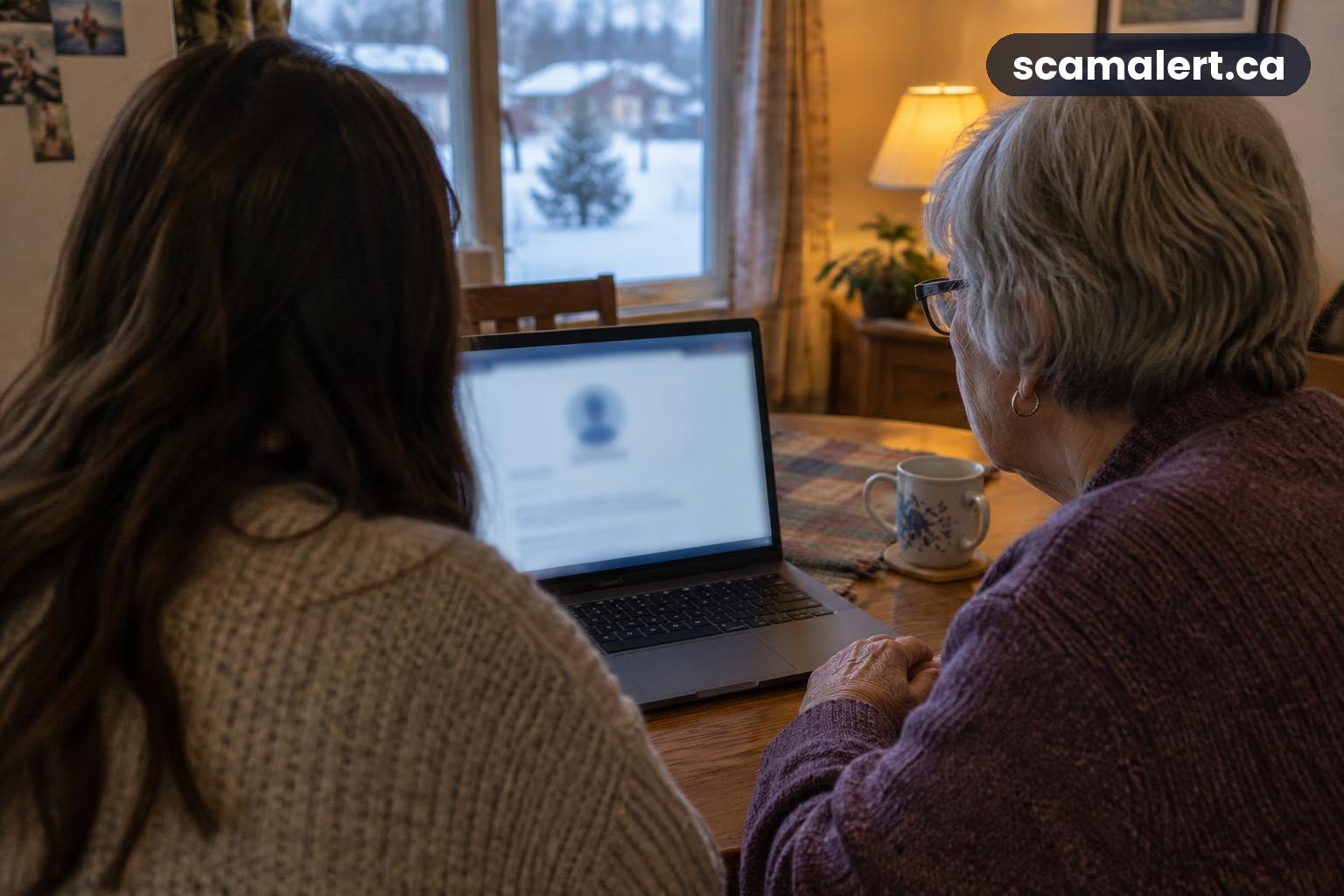
A celebrity romance scam can target anyone who builds an online relationship with someone claiming to be famous, including parents and older adults. A profile claiming to be Keanu Reeves is not proof that the actor is communicating with someone or planning to marry them; the real person is not responsible for an impersonator’s actions.
What the celebrity romance scam looks like
In this type of online romance scam, a person uses a celebrity’s name, photographs or public image to create a profile and approach people online. They may say they are interested in a relationship, describe a private or secret romance, or talk about a future together. The messages can become affectionate and personal, even though the person behind the profile is not who they claim to be.
A fake profile may move the conversation away from a public platform to private messages, email or another service. The person may say that a relationship must stay secret, or offer explanations for why they cannot meet or speak in a verifiable way. A claim of an upcoming marriage can make the relationship feel especially important and urgent to the person receiving the messages.
Eventually, the person may ask for money or financial help. They might describe an emergency, travel costs, a fee needed to meet, or a problem that only the recipient can solve. They may ask for a bank transfer, gift cards, cryptocurrency or another form of payment that is difficult to reverse. These are common warning patterns, not proof that every online message follows the same script.
Someone can be persuaded to send money over time, or be asked to share banking details, passwords, identification or private images. A person who has already sent money may be contacted again with another request. Do not send more money simply because the sender promises that a payment will settle the matter or make a meeting possible.
It can be difficult for a family member to hear that a loved one may be speaking with an impostor. The feelings in the relationship can be real, even when the identity is false. Shame or fear of being judged may make someone less willing to discuss the messages, so a calm, respectful conversation is more helpful than blame.
Red flags to watch for in celebrity impersonation
- A famous person contacts a stranger privately. A profile using a celebrity’s name or pictures is not reliable proof of identity. Treat a private message as unverified, even if the account looks convincing.
- The relationship is described as secret. A request to hide the relationship from family or friends can keep someone from getting a second opinion.
- There is no dependable way to confirm who is messaging. Excuses for avoiding a verifiable conversation or meeting should not be taken as proof of a genuine relationship.
- Money becomes part of the relationship. Be cautious about requests for travel costs, emergencies, fees, gifts or help receiving money, whatever reason is given.
- The sender asks for an unusual payment method. Gift cards, cryptocurrency and transfers can be hard to recover once sent. Do not pay just because someone says there is no other option.
- There is pressure to act quickly. A demand for an immediate decision can prevent the person from checking the story with someone they trust.
- Personal or financial information is requested. Do not share banking information, passwords, verification codes or identity documents with someone whose identity has not been independently confirmed.
- The person discourages outside advice. A request not to speak with family, a bank or another trusted person is a reason to pause and verify.
What to do if you’ve been targeted
- Pause contact and do not pay. Stop before sending money, gift cards, cryptocurrency, documents or private images. Do not click links or open attachments sent by the suspicious account.
- Talk without blaming. If you are helping a parent or another loved one, ask to review the messages together. Listen to what the relationship means to them and explain that a convincing profile can still belong to an impostor. Avoid insults or pressure that could make them withdraw from the conversation.
- Save relevant records. Keep screenshots, account names, message histories, payment receipts and details of what was requested. Do this before blocking or reporting the account, where possible. Do not forward intimate images or post private information publicly.
- Contact the bank or payment provider promptly if money was sent or financial details were shared. Explain what happened and ask whether a payment can be stopped, recalled or monitored. If a card, account or password may be exposed, ask how to secure it and watch for unfamiliar activity.
- Secure online accounts. Change passwords that were shared or reused, starting with email and financial accounts. Use unique passwords and turn on available account security features. Never give a verification code to someone who contacts you.
- Report and block the profile. Use the platform’s reporting tools and avoid further engagement. Blocking can help stop messages, but first keep copies of useful evidence. Be wary if another person later offers to recover lost money for an upfront payment.
- Get help if the situation is affecting safety or wellbeing. A trusted friend, family member or local support service may help the person make decisions without judgement. If there is an immediate threat to someone’s safety, contact local police.
How to report a celebrity romance scam in Canada
Report suspected fraud to the Canadian Anti-Fraud Centre online or by calling 1-888-495-8501. You can report an attempt even if no money was lost. Include the contact details or account information you have, a description of the requests and copies of relevant messages or payment records.
Contact local police as well, particularly if money was taken, there are threats, or someone’s identity or accounts have been misused. If funds or banking details are involved, tell the victim’s bank or payment provider promptly. These reports can help establish what happened and let the organizations involved advise on available next steps.
If you are supporting a parent, offer to sit with them while they make the calls or submit a report. Keep the focus on protecting their accounts and stopping further contact, not on proving that they should have known better. A respectful response can make it easier to ask for help and take action.
Reviewed by our editorial team on .

The Scam Alert Team tracks fraud targeting Canadians and turns official warnings into clear, practical advice. Our team has a background in IT and cybersecurity, and every article is fact-checked against official sources before publication. How we verify alerts