An online order refund may be possible if your package never arrives, but the right next step depends on the seller, the marketplace and how you paid. Start by checking the order details and delivery information, then contact the seller in writing; if that does not resolve the problem, ask your payment provider about its dispute process.
A missing parcel is not automatically proof of a scam: there can be delivery errors, delays or problems with an order. Keep records, act promptly and be cautious of anyone who asks for more money or sensitive information to release a refund.
How an online order refund issue works
When you place an order, the seller or marketplace usually provides an estimated delivery date, order confirmation and a way to contact support. If the parcel does not arrive, first check the order page and any delivery updates. Confirm the address and look for information about where a parcel may have been left, without assuming that a delivery notice proves you received it.
Contact the seller through the website or app where you placed the order, or use contact information you can verify independently. Explain that the order has not arrived and ask what the seller can do. Depending on the circumstances, you can ask about a replacement, a refund or an investigation with the delivery service.
If the seller does not respond or will not address the issue, your next option may be the marketplace or the company that handled your payment. Card issuers, payment services and marketplaces have their own procedures and time limits, so ask them what information they need and how to open a dispute. An outcome is not guaranteed; provide accurate details and follow the provider’s instructions.
Common missing-package situations in Canada
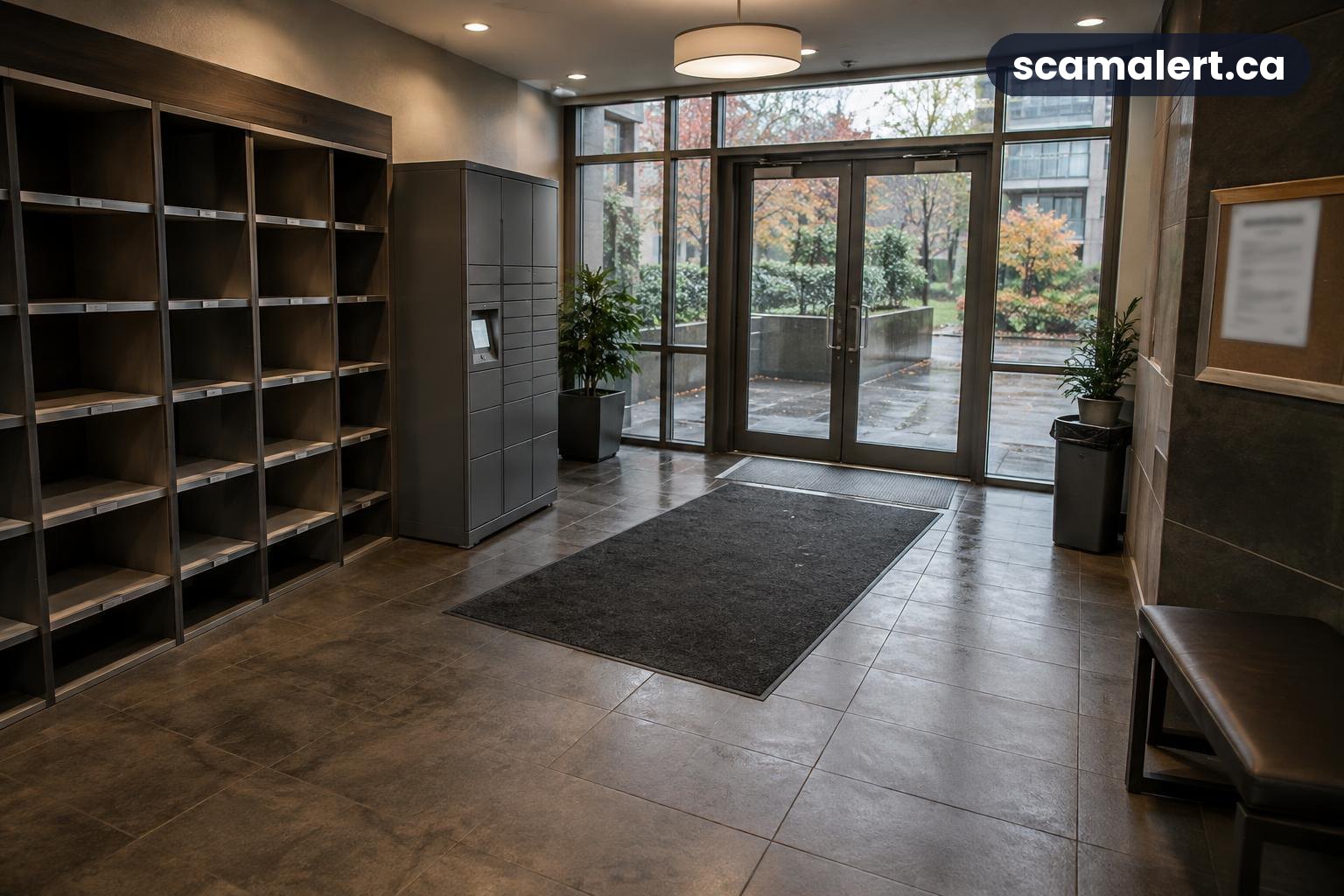
A parcel can appear to be missing for several reasons. It may have been sent to an incorrect address, left somewhere unexpected, delayed in transit or marked as delivered before you can locate it. If you live in a building, check whether the property has a parcel area or a process for deliveries, and ask household members or building staff if they accepted it.
You may also buy through a marketplace that hosts many sellers. In that case, the seller, marketplace and delivery company may each have a different role. Use the platform’s order-support process and note any deadlines shown in your account; do not assume a seller’s promise to “look into it” has paused a dispute deadline with your payment provider.
Another situation is an order from a website that is difficult to verify, or a seller that stops replying after payment. That can raise concern, but a delay alone does not establish fraud. Keep the distinction clear as you describe what happened and report suspected fraud if you have reason to believe you were deliberately misled.
Red flags when seeking an online order refund
- More money is demanded to release your refund. Be wary of unexpected charges described as a refund fee, insurance payment or delivery release charge. Verify any claim through the seller or platform using contact details you find independently.
- You are pushed to leave the original platform. A request to settle a marketplace purchase through a separate payment method can remove useful records or protections. Keep communication and payment within the service where you made the purchase when possible.
- Someone asks for passwords or security codes. Do not share a banking password, one-time code or full card details in response to an unsolicited message or call. A person claiming to arrange a refund does not need your password.
- The seller avoids clear answers. Repeated delays, contradictory explanations or refusal to provide a written response are reasons to preserve the messages and consider contacting the marketplace or payment provider.
- You are told to act immediately through a link. Avoid links in unexpected texts or emails. Open the retailer’s app or type its known address yourself, then check your order from there.
- A supposed refund requires unusual payment steps. Be cautious if you are asked to accept and send money onward, buy gift cards or install remote-access software. Stop and independently verify the request.
How to protect yourself and your online order refund
Save the confirmation email, order number, seller information, expected delivery details and any tracking updates. Take screenshots of relevant account pages and keep copies of messages, especially if information could disappear when a listing is removed. Do not alter records or share more personal information than necessary.
Contact the seller through a channel you can verify, and keep your request polite and specific. State that the package has not arrived, identify the order and say what resolution you are seeking. Keep the conversation in writing where possible so you can refer to what was said.
If you used a marketplace, review its help and dispute process directly. If you paid by card or through a payment service, contact that provider using the number on your card or its official app or website. Ask whether a dispute is available, what its deadline is and which documents it needs. Do not wait indefinitely for a seller’s investigation if your provider says a time limit applies.
For future purchases, check the seller’s contact and return information before paying, read the platform’s buyer-protection terms and use a payment method with a dispute process when available. Be cautious of offers that require payment by an irreversible method or move you away from the marketplace. For general Canadian consumer guidance, consult the Office of Consumer Affairs; consumer rules and complaint options can vary by province or territory.
What to do if your package never arrived
- Check the order and delivery details. Confirm the delivery address, order status and estimated arrival information. Look in likely delivery areas and ask household members or building staff whether they accepted the parcel.
- Save your evidence. Keep the receipt, order confirmation, tracking information, screenshots and all communications with the seller, marketplace or delivery service.
- Write to the seller. Use verified contact details and ask for an investigation and a clear resolution. Give the seller a reasonable opportunity to respond, while keeping any payment-provider deadline in mind.
- Escalate through the marketplace or payment provider. If the seller does not resolve the matter, use the marketplace’s complaint process or contact your card issuer, bank or payment service. Explain what happened accurately and ask what steps and deadlines apply.
- Secure your accounts if you shared sensitive details. Contact the relevant bank or payment provider promptly if you shared banking or card information, or if you see an unfamiliar transaction. Change reused passwords and turn on extra account security where available.
- Report suspected fraud. If you believe the seller deliberately took payment without intending to provide the order, preserve your records and report the incident. You can still pursue the seller or payment provider’s process; reporting does not itself guarantee a refund.
How to report an online shopping problem in Canada
If you suspect fraud, report it to the Canadian Anti-Fraud Centre at 1-888-495-8501 or through antifraudcentre-centreantifraude.ca. Include the seller or account details, how you were contacted, how you paid and copies of relevant messages or receipts. Do not include passwords or security codes in a report.
You can also contact your local police service, particularly if you believe a crime occurred or need to report a loss. If money was taken or you provided banking details, contact your bank or other financial institution promptly using a verified phone number or official app. If card information was involved, contact the card issuer as well and ask how to secure the account and dispute the payment.
For a consumer complaint that does not appear to involve fraud, check the complaint options in your province or territory. The Office of Consumer Affairs provides links and information to help you find the appropriate consumer resource. Keep copies of every complaint and note any response instructions or deadlines.
Frequently asked questions
Can I get a refund if tracking says the parcel was delivered?
Possibly, but it depends on the circumstances and the seller’s or payment provider’s process. Check likely delivery locations, ask people who may have accepted the parcel and contact the seller in writing. Explain that you cannot locate it and ask what investigation or remedy is available. If the seller does not help, ask the marketplace or payment provider about its dispute process.
Should I wait for the seller before contacting my bank?
You can contact the seller first, but do not let that delay cause you to miss a deadline set by your card issuer, bank or payment service. Ask the provider directly about its time limits and requirements. If you notice an unauthorized transaction or shared sensitive banking details, contact your bank promptly.
Is a missing online order always a scam?
No. A delivery mistake, delay or misplaced parcel can happen without deliberate deception. Be alert to signs such as a seller disappearing, demands for extra payments or requests for passwords, but describe only what you know when contacting a payment provider or reporting suspected fraud.
What information should I keep for an online order refund request?
Keep your order confirmation, receipt, tracking details, delivery updates and written messages with the seller or marketplace. Save any case numbers or instructions from your payment provider. These records can help explain the problem and support a dispute or report.
Reviewed by our editorial team on .

The Scam Alert Team tracks fraud targeting Canadians and turns official warnings into clear, practical advice. Our team has a background in IT and cybersecurity, and every article is fact-checked against official sources before publication. How we verify alerts