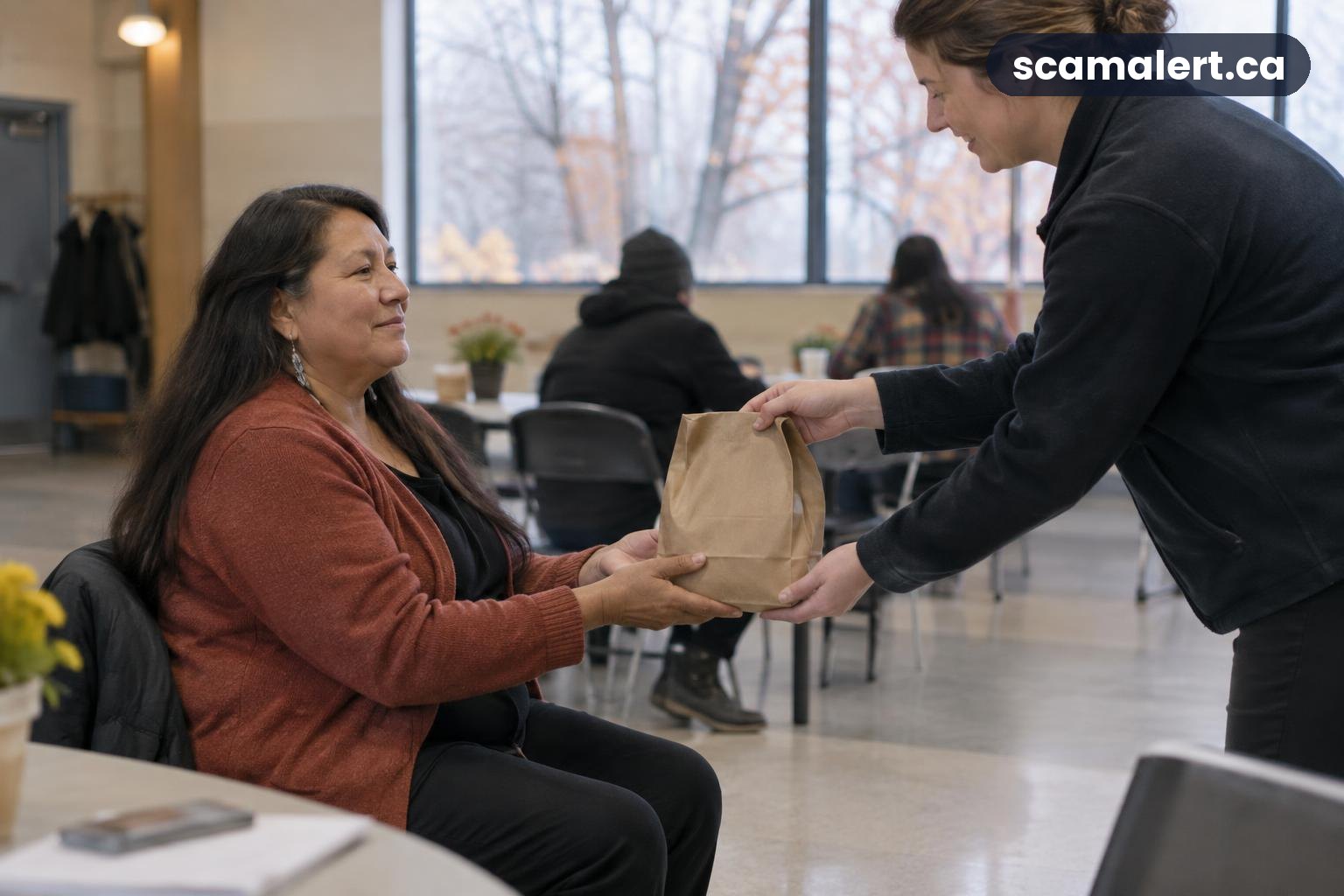
A CTV News headline reports that “hug kits” are being offered to people affected by romance scams in Strathcona County, Alberta. The information provided for this alert does not identify who is offering the kits or what they contain, but the initiative highlights that people targeted by these scams may need practical and emotional support.
What the scam looks like
Romance scams often begin on dating apps, social media or other online platforms. Someone builds a personal connection over time, then asks for money or financial help. They may claim to have an urgent problem, need funds to travel, or face a situation that can only be resolved if the target sends money. The story may change, but a request for payment is a key point to pause and check.
Scammers may ask for a bank transfer, gift cards, cryptocurrency or another payment method. They can also seek personal or banking information. A person may keep the relationship going while making repeated requests, or become upset or distant when the target refuses. Photos, messages and personal details shared online can be used to make a false identity seem convincing.
Being targeted is not a reason for shame. Scammers can use patience, attention and emotional pressure to gain trust. The Strathcona County headline indicates that support kits are being offered locally, but it does not provide details about how to get one. Check announcements from trusted local organizations for current information, and be cautious of anyone asking for payment to provide help.
Red flags to watch for
- Repeated requests for money: A new online partner asks for cash, transfers, gift cards or cryptocurrency, especially when the reason is urgent or difficult to verify.
- Excuses to avoid meeting: The person regularly cancels plans or says they cannot meet or speak face to face.
- Pressure to keep things private: They discourage you from discussing the relationship or their money request with friends or family.
- Requests for sensitive details: They ask for banking information, passwords, identity documents or codes sent to your phone.
- Changing explanations: The story about why money is needed shifts, or there is always another emergency after you help.
- Offers to recover lost money for a fee: Someone contacts you after a loss and promises to get your money back if you pay them. This may be another attempt to take money.
What to do if you’ve been targeted
- Stop sending money and sharing information. Do not pay a new fee to unlock a refund or recover funds. Avoid confronting the person if doing so could put you at risk.
- Contact your bank promptly if you sent money or shared banking details. Explain what happened, ask whether a transaction can be stopped or reviewed, and follow the bank’s advice to secure your accounts.
- Save evidence. Keep messages, profile details, payment records, receipts and dates of contact. Do not alter the material; it may help your bank or police understand what happened.
- Secure accounts and devices. Change passwords for affected accounts and any other accounts that reused those passwords. Turn on extra sign-in security where available, and contact your phone or email provider if those accounts may be compromised.
- Report the account to the platform. Use the service’s reporting tools and block the person when you are ready. Keep your evidence before deleting messages or closing an account.
- Tell someone you trust. A friend, relative or support worker can help you think through next steps. If the experience is upsetting, consider reaching out to a qualified counsellor or a trusted local support organization.
How to report it
Report suspected romance fraud to the Canadian Anti-Fraud Centre at 1-888-495-8501 or antifraudcentre-centreantifraude.ca. You can also contact your local police service. If money or banking details were involved, contact your bank as soon as possible. Reporting can help document what happened and support efforts to identify patterns, even if you are unsure whether your money can be recovered.
Source: ‘Hug kits’ being offered to victims of romance scams in Strathcona County – CTV News
Reviewed by our editorial team on .
Last updated

The Scam Alert Team tracks fraud targeting Canadians and turns official warnings into clear, practical advice. Our team has a background in IT and cybersecurity, and every article is fact-checked against official sources before publication. How we verify alerts