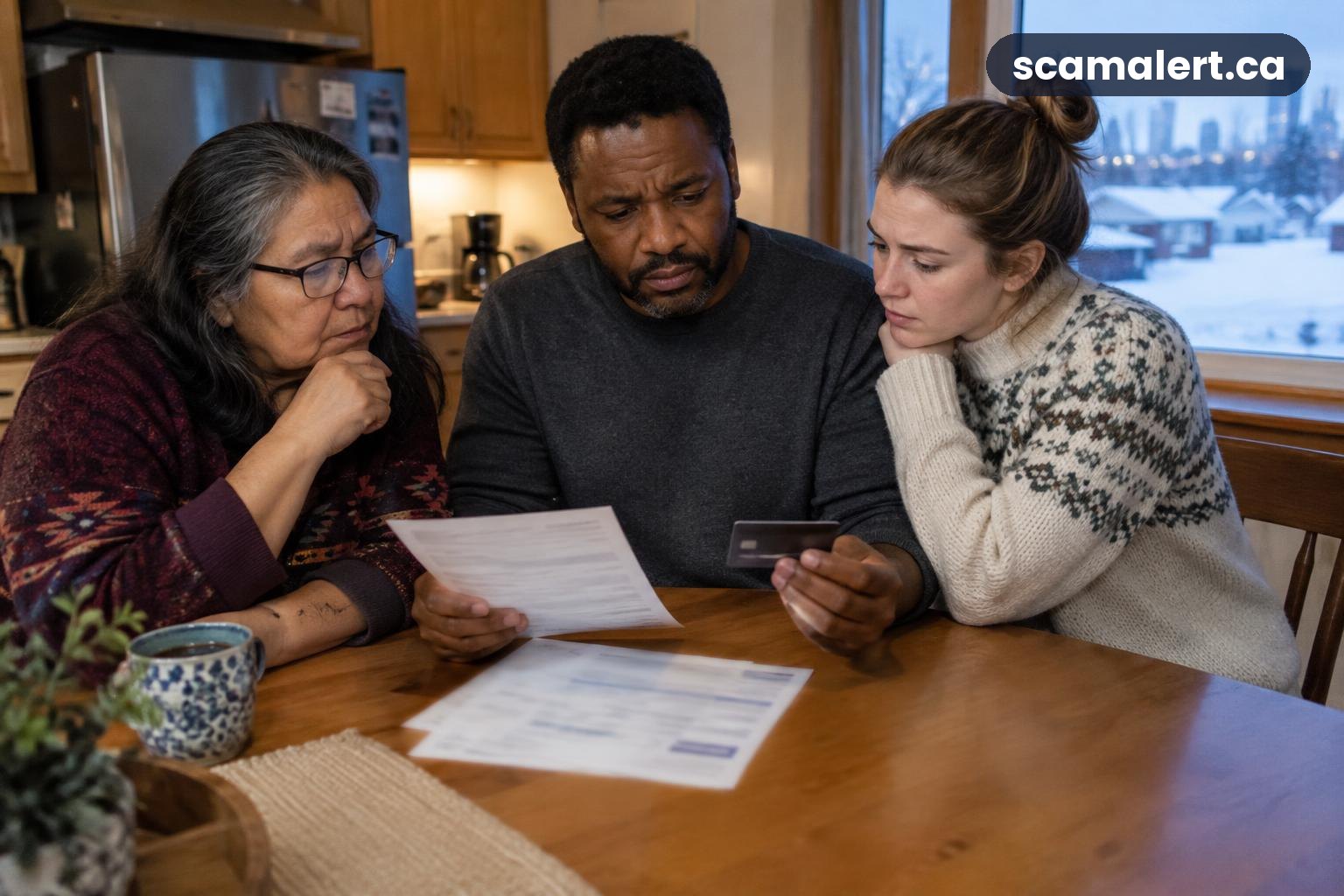
Get money back after a scam? Contact your bank or payment provider as soon as you realize what happened. They may be able to stop, trace or dispute a payment, but a refund is not guaranteed: the options depend on how you paid, what happened and the provider’s rules.
Act even if you are unsure whether the payment can be recovered. A quick report can help limit further losses, secure your accounts and create a record of what happened. Do not pay anyone who promises to recover your money for an upfront fee; that may be another scam.
Can you get money back after a scam?
Sometimes. Your bank or payment provider can explain whether a payment can be cancelled, recalled or disputed, and what information it needs to review the case. The sooner you contact it, the better the chance that it can take useful action, especially if a payment is still pending.
There is an important difference between a payment you did not authorize and one you made yourself because someone deceived you. Tell the bank exactly what happened. Do not describe a payment as unauthorized if you approved it, even if you were tricked into making it. The bank needs accurate information to assess the transaction.
Getting money back after a scam is not automatic. A bank may investigate, but it cannot promise that funds can be recovered or that a dispute will be decided in your favour. Ask what happens next, what information to provide and whether there are deadlines or other steps you must follow.
How payment scams work and what happens next
A scammer may create pressure or a convincing story to persuade you to send money, share account details or approve a payment. They might pretend to be a buyer, seller, romantic partner, employer, government representative or someone you know. The story changes, but the goal is often to get money or access to an account.
After a payment, the money may move through one or more accounts or services. The bank may be able to investigate or contact the receiving provider, but it may not be able to reverse a completed transaction. Keep your expectations realistic while still asking the bank to review every available option.
Scammers sometimes follow up by claiming they can retrieve the lost funds. They may ask for a fee, more personal information, account access or another payment. Treat unsolicited recovery offers with caution. Do not give a stranger remote access to your device or share passwords, PINs or one-time security codes.
Payment scam variations seen in Canada
The right response depends partly on how you paid. For a debit or credit card payment, contact the card issuer using the number on your card or its official app or website. Ask whether the card should be locked or replaced and whether the transaction can be disputed. If the card is linked to a digital wallet, ask whether that access also needs attention.
If you sent money through an online transfer or a bank-to-bank payment, contact your bank immediately and ask whether it can cancel, recall or trace it. Do not assume a transfer can be reversed just because it was sent recently. The provider can tell you what options apply to that particular payment.
For a wire transfer, cash pickup or cryptocurrency payment, contact the service or business involved as well as your bank. These payments can be difficult to recover once completed, but reporting them promptly is still worthwhile. Keep transaction records and follow the provider’s instructions; do not send more money to unlock or release funds.
Red flags when someone asks you to pay
- Pressure to act immediately: The person says you must send money now or face a serious consequence.
- Unusual payment instructions: You are told to use cryptocurrency, gift cards, cash pickup or another method that is difficult to reverse.
- A request for security details: Someone asks for your password, PIN, one-time code or full account information.
- A promise of guaranteed recovery: A stranger says they can get your money back if you pay a fee first.
- A request to keep it secret: The person discourages you from contacting your bank, family or the organization they claim to represent.
- Instructions to move money for safety: A caller tells you to transfer funds to a different account to protect them.
A red flag does not prove what happened, but it is a reason to stop and verify independently. If you have already paid, focus on contacting the payment provider rather than continuing a conversation with the person who asked for the money.
Protect your accounts and preserve evidence
Use a phone number or contact method you find yourself on your bank card, statement, official app or the bank’s official website. Do not rely on a number or link supplied in a suspicious text, email or call. If you need to sign in, enter the bank’s web address yourself or use its verified app.
Save the messages, emails, receipts, transaction details, usernames and phone numbers connected to the incident. Take screenshots where useful, but do not alter the material. Keep a short timeline of what happened, when you noticed the problem, who you contacted and any case or reference numbers the bank gives you.
If you shared a password, change it using the official service and change it anywhere else you reused it. If you shared card details or banking credentials, tell the bank and follow its instructions about changing access, locking a card or replacing it. Check recent transactions and account activity, and report anything you do not recognize.
For broader guidance on protecting financial information, the Financial Consumer Agency of Canada provides consumer information about financial products and services. Use your own bank’s official contact channels for account-specific instructions.
What to do if you have been targeted
- Stop contact and stop sending money. Do not make another payment to the person, even if they claim it will release a refund or prevent a loss.
- Call your bank or payment provider promptly. Say that you believe you have been targeted by a scam. Explain whether you approved the payment, how it was sent and when. Ask whether it can be stopped, recalled, traced or disputed, and request instructions for securing your accounts.
- Follow up in writing if asked. Provide the records the bank requests and keep copies of what you send. Ask for a case or reference number and note any steps or response deadlines the bank gives you.
- Secure accounts and devices. Change exposed passwords, review account activity and follow the bank’s advice about cards and online access. If you installed software or gave someone access to your device, disconnect from the person and seek trusted technical help to remove access.
- Contact other affected providers. If the scam involved a payment app, card issuer, online platform, cryptocurrency service or other provider, report it through that provider’s official channels as well.
- Watch for follow-up attempts. Keep an eye on accounts and messages. Be cautious of anyone who knows about the first loss and offers recovery for a fee or asks you to share more information.
These steps do not guarantee reimbursement, but they help you raise the issue clearly and reduce the risk of further account misuse. If a bank declines a request, ask it to explain its decision and tell you what complaint or review process is available.
How to report a scam in Canada
Report the incident to your local police, particularly if money was lost, your identity or accounts were misused, or you feel threatened. Keep any police file number with your records. Reporting to police does not replace contacting your bank; notify both when payment or banking information is involved.
You can also report suspected fraud to the Canadian Anti-Fraud Centre, online or by phone at 1-888-495-8501. The Centre collects reports and information about fraud in Canada. Include the details you have, such as how the person contacted you, the payment method and any account or transaction information requested by the reporting service.
Always contact your victim’s bank if money was sent or banking details were shared. If you used another payment provider, notify it too. Keep the reports and reference numbers together, and do not pay a supposed investigator or recovery service that contacts you unexpectedly.
Frequently asked questions
Should I contact my bank if I approved the payment?
Yes. Explain that you approved the payment but believe you were deceived. The bank can tell you whether any cancellation, recall, investigation or dispute option applies. Being honest about the circumstances helps it assess the request correctly.
Can a bank reverse a completed payment?
It depends on the payment method, the transaction and the provider’s rules. A completed payment may not be reversible, but contacting the bank quickly is still worthwhile. Ask what action is possible and what information it needs.
What if the scammer says they can get my money back?
Do not pay an upfront fee or share account information with an unsolicited recovery service. Contact your bank, local police and the Canadian Anti-Fraud Centre using their official channels instead.
Will reporting the scam guarantee a refund?
No. Reporting helps the bank or authorities understand what happened, but it does not guarantee that money can be recovered. Keep records, follow the bank’s process and ask about any available review or complaint steps.
Reviewed by our editorial team on .

The Scam Alert Team tracks fraud targeting Canadians and turns official warnings into clear, practical advice. Our team has a background in IT and cybersecurity, and every article is fact-checked against official sources before publication. How we verify alerts