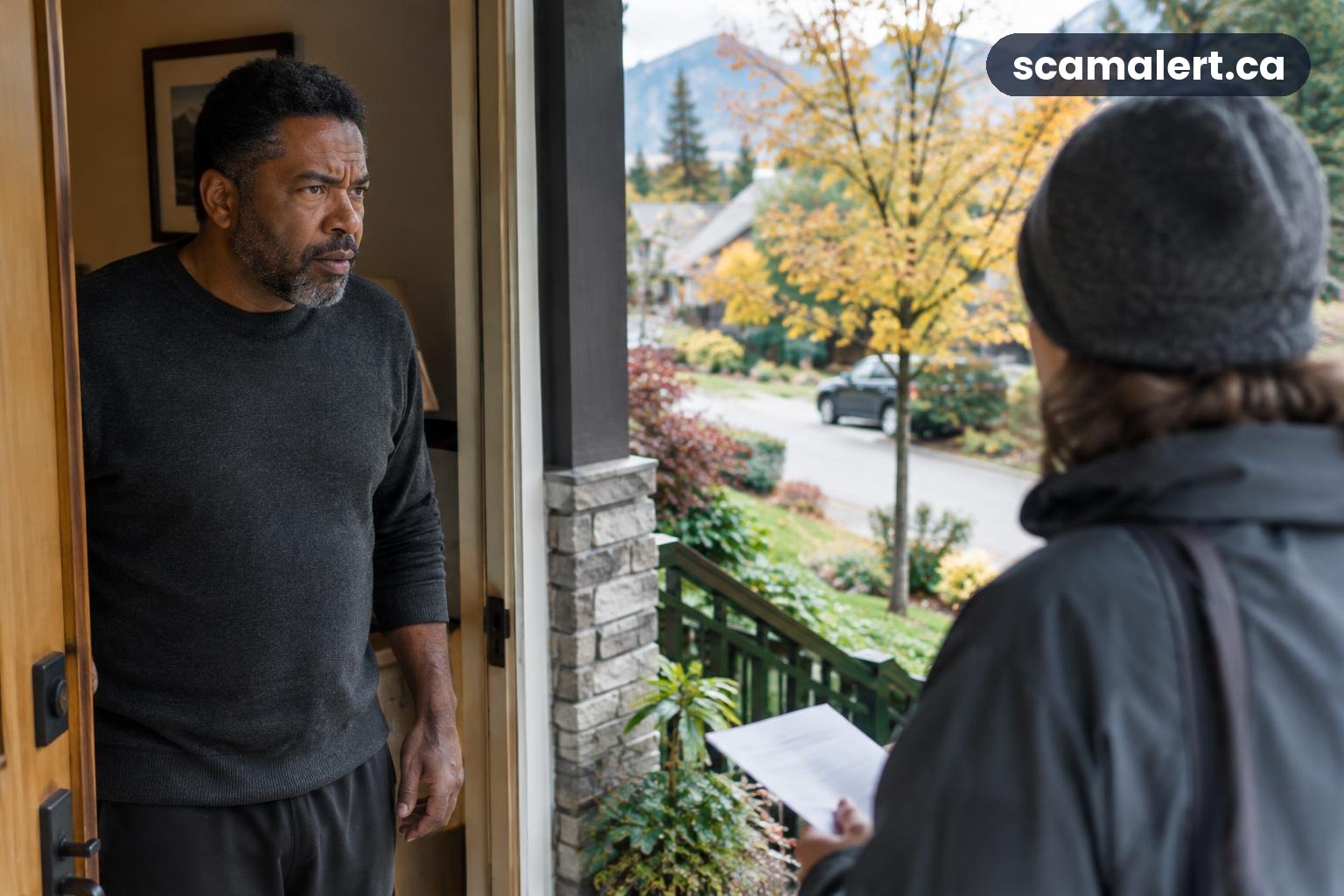
The fake peace officer scam is a warning for people in North Vancouver after the North Vancouver RCMP warned the public about impersonators. Anyone who receives an unexpected call, message or visit from someone claiming to be a peace officer should pause and verify who they are before sharing information or taking action.
What the fake peace officer scam can look like
In this type of impersonation, someone pretends to be a peace officer or another authority figure to gain trust or create fear. They may claim there is a problem that needs immediate attention, then try to persuade the person to hand over money, personal details or access to an account. The North Vancouver warning identifies a fake peace officer scam, but does not provide details about a particular contact or demand.
Impersonation can happen over the phone, through a message or in person. A person may use an official-sounding title, make a claim about an investigation or say that the recipient must act quickly. Those are general ways authority-based scams can work; they are not details confirmed about the North Vancouver warning.
The pressure is part of the tactic. A caller or visitor may urge someone to keep the conversation secret, stay on the line, or follow instructions without checking them. The aim is to limit the time the person has to think, ask someone they trust or contact the agency independently.
A convincing name, uniform-like clothing, caller ID display or official-looking document does not prove who is making contact. Phone numbers and other identifying details can be misleading. Treat an unexpected demand as unverified until you have checked it using contact information you found independently.
This does not mean that a real peace officer or police service is behind the scam. The concern is that someone may be falsely claiming that identity. If you are unsure whether a contact is legitimate, end the conversation safely and contact the relevant agency using its official public contact details.
Red flags to watch for
- Pressure to act immediately. Someone insists you must pay, provide details or follow instructions right now, before you can verify the claim.
- Threats or frightening claims. They suggest you will be arrested, charged or face another serious consequence unless you comply. A threat is not proof that the person is an officer.
- Requests to pay in unusual ways. Be cautious if someone claiming authority asks for gift cards, cryptocurrency, a cash handover or a transfer to a personal account.
- Requests for sensitive information. Do not share passwords, sign-in codes, banking details or identity-document numbers with an unexpected contact.
- Instructions to keep it secret. A request not to speak with family, a bank, a lawyer or the police can prevent you from getting an independent check.
- Instructions to use a number or link they provide. Instead, look up the organization’s official contact information yourself. Do not rely on an incoming caller ID or a link in an unexpected message.
- A demand to let someone into your home or meet privately. Do not open the door or go somewhere alone just because a stranger claims to have authority. Take time to verify safely.
- Changing explanations or evasive answers. If the person will not let you check their identity through an official channel, end the interaction.
What to do if you’ve been targeted
- Pause and stop following instructions. Do not send money, share codes or personal details, click links, install software or hand over property while you check the claim. If the person is at your door and you feel unsafe, keep a secure barrier between you and them and contact local police.
- End the contact without using their details to call back. Hang up, stop replying or close the message. If you need to check whether there is a genuine matter, find the police service or agency’s public number independently and ask to verify the contact.
- Tell someone you trust. A family member, friend or support person can help you review what happened and make calls. This is especially useful if the caller has kept you on the phone, discouraged you from seeking advice or made you feel rushed.
- If you shared account information, act quickly. Contact your bank using the number on your bank card or its official website if you shared banking details, sent money or approved a transaction. Ask the bank what steps it can take to protect the account and dispute or stop a payment. Change affected passwords from a trusted device, and do not reuse the exposed password elsewhere.
- Protect your identity if you shared personal information. Keep an eye on account activity and unexpected requests to verify your identity. Contact the relevant account provider directly if you see something you do not recognize. Be alert for follow-up contacts that use details from the first interaction to appear more convincing.
- Keep a record, if it is safe to do so. Save messages, emails, voicemails, payment records and the contact details shown to you. Note what the person asked you to do and what information or money you provided. Do not put yourself at risk to gather evidence or continue engaging with the person.
- Report the incident. Contact the Canadian Anti-Fraud Centre and your local police service, even if you did not lose money. If money or banking details were involved, contact your bank as well. Reporting helps the organizations understand what happened and advise you about next steps.
How to report it
Report suspected fraud to the Canadian Anti-Fraud Centre online or by phone at 1-888-495-8501. Include the information you have, such as messages, call details and payment records, but do not send additional money or information to someone who contacts you claiming they can recover your loss.
You can also contact your local police service to report the impersonation and ask what to do next. For a contact claiming to be connected to the RCMP, use the official RCMP website to find reliable information rather than relying on a number or web address supplied by the person who contacted you.
If you transferred money or disclosed banking details, contact your bank promptly through a trusted channel. Your bank can explain what protections or account steps may be available. Keep a record of when you reported the incident and any instructions you receive.
Frequently asked questions
How can I check whether a peace officer’s contact is real?
Do not rely on a caller ID, uniform-like clothing, an official-sounding title or a document shown during an unexpected contact. End the conversation and look up the relevant police service or agency’s public contact information yourself. Explain that someone contacted you and ask whether the contact can be verified.
Should I pay someone who says I will be arrested if I do not?
Do not make a rushed payment to settle a threat. Requests for gift cards, cryptocurrency, cash handovers or transfers to a personal account are serious warning signs. Pause and verify the claim independently; if you have already paid, contact your bank and report the incident.
What if I am not sure whether it was a scam?
You can still seek advice and report a suspicious interaction even if you are uncertain or did not lose money. Save what you can, avoid further contact through the details the person gave you, and speak with the Canadian Anti-Fraud Centre, local police or your bank if banking information was involved.
Source: North Vancouver RCMP warns public about fake peace officer scam – RED FM Canada
Reviewed by our editorial team on .

The Scam Alert Team tracks fraud targeting Canadians and turns official warnings into clear, practical advice. Our team has a background in IT and cybersecurity, and every article is fact-checked against official sources before publication. How we verify alerts