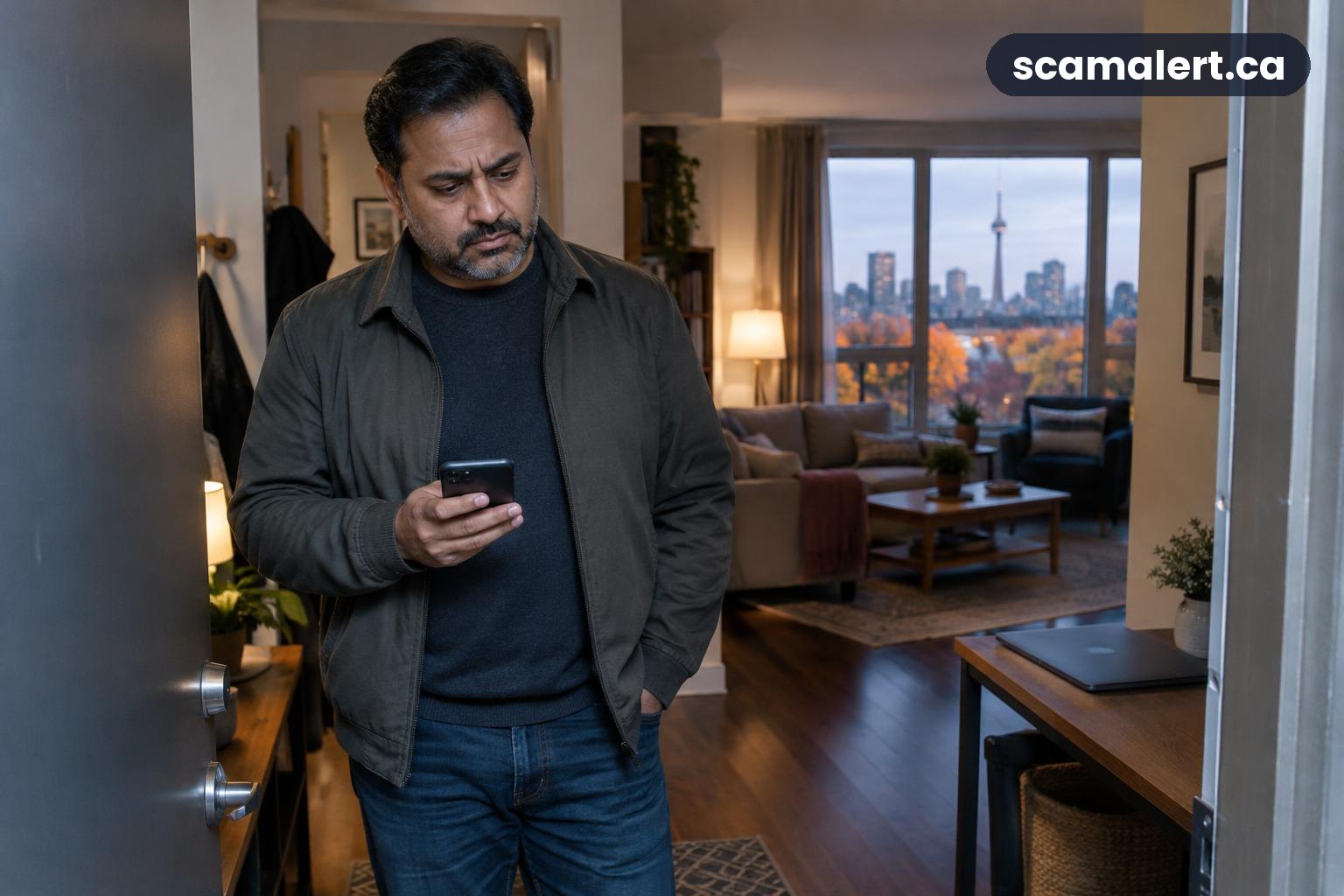
An AI catfishing scam uses a fake online identity, potentially supported by artificial intelligence, to build a relationship and take advantage of someone’s trust. Anyone who meets people through social media, dating apps, games or messaging platforms can be targeted; a convincing profile or warm conversation does not prove a person is who they claim to be.
It is possible to form a genuine connection online, and a request for caution is not a judgement about your relationship. Take time to check who you are speaking with, keep control of your money and personal information, and get a second opinion if something feels wrong.
What the scam looks like: an AI catfishing scam
Catfishing means presenting a false identity online. Someone may use another person’s photos, make up details about their life or create a persona that seems especially compatible with you. Artificial intelligence can help produce or alter images, write messages, or support an ongoing conversation. A polished profile or fluent replies are not reliable proof of identity.
The person may start with ordinary conversation and gradually build familiarity, affection or a sense of urgency. They could suggest moving to private messages, share personal stories, or say that you are the only one they can rely on. The aim may be to make you feel invested before asking for something.
In romance fraud, a common next step is a request for money or financial help. The explanation might involve an emergency, travel, a payment problem or an opportunity. A person may also ask you to send a gift card, make a transfer, receive money for them, or share banking details. These are general patterns, not proof that every online relationship or request is fraudulent.
An AI catfishing scam can also involve requests for intimate photos, identity documents, passwords or verification codes. Sharing private material can expose you to pressure or threats later. Never send a code that was sent to your phone or email to someone you have only met online; codes can give access to accounts.
Some people may use AI-generated or altered pictures, or claim that technical problems prevent a live conversation. A video call can help you assess a person, but it cannot establish everything about their identity. Treat any single check as one piece of information rather than a guarantee.
AI romance scam red flags to watch for
- The relationship moves unusually fast. The person quickly declares deep feelings, talks about a shared future, or pressures you to make a decision before you have had time to know them.
- They avoid reasonable ways to confirm who they are. They repeatedly cancel calls, refuse a live conversation, or give explanations that keep changing. One missed call is not proof of fraud, but a continuing pattern deserves attention.
- Their details do not line up. The person’s story, work, location or life details change, or information they share does not fit what they have told you before. Ask calm, open questions and notice whether answers are consistent.
- They want to move away from the original platform. They may push you to use a private messaging channel quickly, making it harder to use the platform’s safety tools or keep a record of the conversation.
- They ask for money, financial access or a favour. Be especially careful if they ask for a transfer, gift cards, cryptocurrency, banking information, or for you to receive and forward money.
- They ask for sensitive information or intimate images. Do not share passwords, one-time codes, identity documents or private images to prove trust or affection.
- They discourage you from checking with someone else. A person who asks you to keep the relationship or a payment secret may be trying to isolate you from advice.
- They use pressure or guilt. A sudden emergency, a deadline, or claims that you do not care unless you help can push you into acting before you can think.
Do not rely on a profile photo, a natural-sounding message or a successful video call as the only test. AI tools and stolen content can make an online identity look plausible, while ordinary users may also have incomplete or private profiles. Focus on consistent behaviour, independent checks and whether the person respects your boundaries.
What to do if you’ve been targeted
- Pause contact and do not send anything else. Do not transfer money, share a code, open unexpected files or provide additional personal details. If the other person is pressuring you, you can stop responding while you consider your next steps.
- Keep records before blocking the account. Save messages, profile details, usernames, payment instructions and receipts. Take screenshots where possible. Do not alter records, and avoid forwarding intimate images or sensitive material to other people.
- Contact your bank or payment provider promptly if money or banking information is involved. Explain what happened and ask what steps are available to protect your account or try to stop a transaction. If you shared a password, change it and any other password that reused it. Turn on additional account security where available.
- Secure accounts and identity information. Change compromised passwords from a device you trust, sign out of unfamiliar sessions where the service allows it, and review account recovery details. If you shared identity documents, keep a note of what was exposed and ask the relevant issuing organization what protective steps it recommends.
- Report and block the profile through the platform. Use the app or website’s reporting options and include relevant records. Blocking can prevent further messages, but save useful evidence first if you can do so safely.
- Tell someone you trust. A friend, family member or support worker can help you think through requests and next steps. If someone is threatening you over private images or personal information, do not pay or send more material; preserve the threats and seek help.
- Look out for follow-up approaches. Someone may contact you claiming they can recover money or expose the person behind the profile, then demand a fee or more information. Be cautious of anyone promising guaranteed recovery, and do not give them account access.
Being deceived online can be upsetting, but it is not a reason to blame yourself. Manipulation often depends on trust, attention and pressure. Taking practical steps quickly can help limit further harm, even if you are unsure whether a payment can be recovered.
How to report an AI catfishing scam in Canada
Report suspected fraud to the Canadian Anti-Fraud Centre online or by phone at 1-888-495-8501. Include what happened, how the person contacted you, any usernames or payment details, and the steps you have already taken. The Centre accepts reports even when you are not sure whether a crime occurred.
Contact your local police service as well, particularly if you lost money, were threatened or believe your identity has been used. If money or banking details are involved, contact your bank or payment provider directly using contact information you know is genuine. Do not use contact details supplied by the person you suspect.
You can also report the account to the dating service, social network or messaging platform where the contact began. Keep your records in case police, your bank or the platform asks for more information. If someone is in immediate danger, contact emergency services.
Whether you are beginning an online relationship or have been speaking with someone for a while, keep control of your own accounts and financial decisions. A genuine connection should leave room for questions, independent advice and a no to any request that makes you uncomfortable.
Source: From AI catfishing scam to real connection – Frequency News
Reviewed by our editorial team on .

The Scam Alert Team tracks fraud targeting Canadians and turns official warnings into clear, practical advice. Our team has a background in IT and cybersecurity, and every article is fact-checked against official sources before publication. How we verify alerts