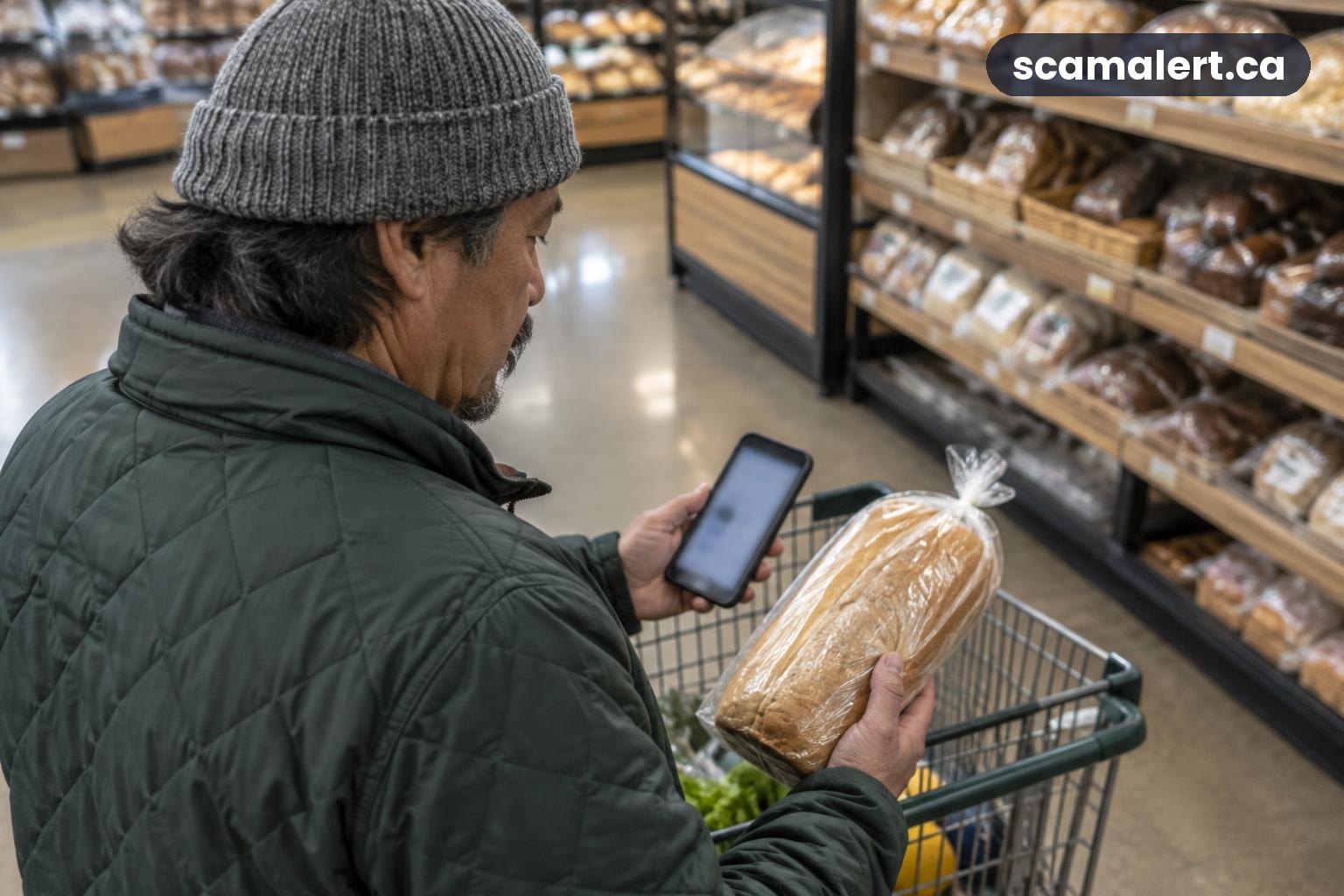
A message about a packaged-bread class action settlement could be legitimate, misleading or fraudulent. Don’t click a link or share personal or banking information just because a text, email or social media post promises money. Verify the claim independently using official court or settlement-administrator information, and never pay an unexpected fee to receive a settlement payment.
How a packaged-bread settlement scam can work
A settlement-related scam uses the name or idea of a class action to make a message seem trustworthy. The sender may claim that you qualify for compensation, need to submit a claim by a deadline, or must confirm details before money can be sent. The message may imitate a court, a claims administrator, a law firm or a government office.
The aim may be to get you to open a link, enter personal details, provide banking information or pay a supposed processing charge. A link could lead to a fake form designed to collect information. A caller may instead ask you to confirm details over the phone or urge you to act quickly. Scammers can also use a real case name or familiar wording without being connected to the actual process.
This guide does not confirm that a particular packaged-bread settlement is currently accepting claims or paying benefits. Settlement terms, eligibility rules and claim procedures depend on the specific case. Treat any message as unverified until you check the details through an independent, official source.
Variations Canadians may encounter
Settlement-related approaches can arrive through different channels. A text or email might say a claim is ready for payment and include a link to “confirm” your identity or banking details. A social media post could advertise easy compensation and direct readers to a form. A phone call might tell you there is a problem with a claim and ask for information to fix it.
Some approaches use urgency: the sender says a deadline is near, your payment will be cancelled, or you must respond immediately. Others may look less urgent and simply invite you to check whether you qualify. A message can also be forwarded by a friend or family member who believes it is genuine; that does not verify the offer.
These are general ways settlement impersonation can happen, not confirmation that each approach has been used for a packaged-bread case. The safest response is the same: don’t rely on the message’s own link, number or instructions to establish that it is genuine.
Warning signs to look for
- Unexpected payment promises: You are told you qualify for money even though you did not knowingly submit a claim or learn about the case through a reliable source.
- A demand for an upfront payment: The sender says you must pay a fee, tax, delivery charge or other cost before a settlement can be released.
- Requests for sensitive details: You are asked for a password, one-time security code, full banking sign-in information or more personal information than seems necessary.
- Pressure to act immediately: The sender threatens that you will lose your payment unless you respond at once or keep the request secret.
- A link you were not expecting: The message asks you to use its link rather than find the court or administrator’s information independently.
- Unclear identity: The sender does not clearly identify the court, administrator or process, or their details cannot be confirmed through an independent source.
- Odd payment instructions: You are asked to send money through an unusual method, such as gift cards, cryptocurrency or a transfer to an individual.
- Inconsistent details: The case name, deadline, eligibility rules or instructions differ from information you find through a trusted official channel.
How to protect yourself
Pause before responding to any unexpected settlement message. Do not use its link or phone number to verify the sender. Instead, search for the case or administrator through a source you locate independently, such as an official court notice or a verified website for the claims process. Check that the information matches, including the case, who can make a claim, any deadline and how payments are handled.
If you cannot confirm the process, contact the court or administrator using contact information from an independently located official notice. Do not assume that a polished website, a familiar logo or a professional-sounding caller proves the contact is genuine. Scammers can copy names and visual details.
Never share your online banking password or a one-time security code with someone who contacts you. Don’t install software or let an unexpected caller control your device. Be cautious about providing identity or banking information, even if a payment method sounds routine. First confirm that the request is part of the verified claims process and that you are using its official channel.
Keep a copy of messages and notices while you verify them, but avoid forwarding a suspicious link to others. If you have a question, ask a trusted person to help you check the details without using the link in the message. If you already made a claim, use contact information from the official claim materials you kept, not a new message asking you to “fix” or “complete” it.
What to do if you’ve been targeted
- Stop communicating through the suspicious channel. Don’t reply, click further links, pay a fee or provide more information. If you are on a call, end it and verify the claim independently.
- Protect your accounts. If you shared a password, change it using the service’s official website or app. If you shared a one-time code or banking details, contact your bank promptly using the number on your bank card or an official statement. Ask what steps are appropriate for your account.
- Contact your bank if money or banking details are involved. Explain what happened, when it happened and what information you shared. Follow the bank’s instructions and monitor your accounts for activity you do not recognize.
- Save relevant evidence. Keep the message, email address, phone details, payment records and any other information about the contact. Don’t delete material that could help your bank or police understand what happened.
- Secure affected accounts and devices. If you installed an app or gave someone access to your device, disconnect it from the internet if needed and get help from a trusted technical support provider. Change any reused passwords and turn on account security features where available.
- Tell people who may be at risk. If you shared a link or forwarded a message, let recipients know not to open it until it has been checked. If you shared identity information, ask the relevant organization how to reduce the risk of misuse.
- Report the incident. Reporting can help authorities identify patterns and gives you a record of what happened. You can report even if you did not lose money.
How to report a suspected settlement scam in Canada
Report suspected fraud to the Canadian Anti-Fraud Centre at 1-888-495-8501 or through antifraudcentre-centreantifraude.ca. Contact your local police service as well, especially if you lost money, someone used your identity or you are concerned about your safety. If money or banking details are involved, contact your bank promptly using a trusted number.
When you report, share what happened and provide copies of messages or payment records if requested. Don’t include passwords or security codes in a report. Reporting does not guarantee that money will be recovered, but it can help document the incident and support follow-up by the appropriate organizations.
Frequently asked questions
How can I tell whether a bread settlement notice is real?
Check the case and claims instructions through an official court notice or settlement-administrator source that you find independently. Confirm eligibility, deadlines and contact details there. A message’s own link or caller’s claims are not enough to verify it.
Do I need to pay a fee to receive settlement money?
Treat an unexpected demand for an upfront payment as a serious warning sign. Don’t send money until you have independently verified the process and the specific request. Never pay with gift cards or cryptocurrency because a caller insists that you must.
What if I clicked a link but did not enter anything?
Close the page and don’t download files or provide information. If you installed something, gave device access or entered account details, take steps to secure the affected device or account. Contact your bank if you shared financial information.
Can I report a message if I did not lose money?
Yes. You can report a suspected scam to the Canadian Anti-Fraud Centre even if you did not send money. If you provided personal or banking information, contact the relevant organization and your bank as well, and notify local police when appropriate.