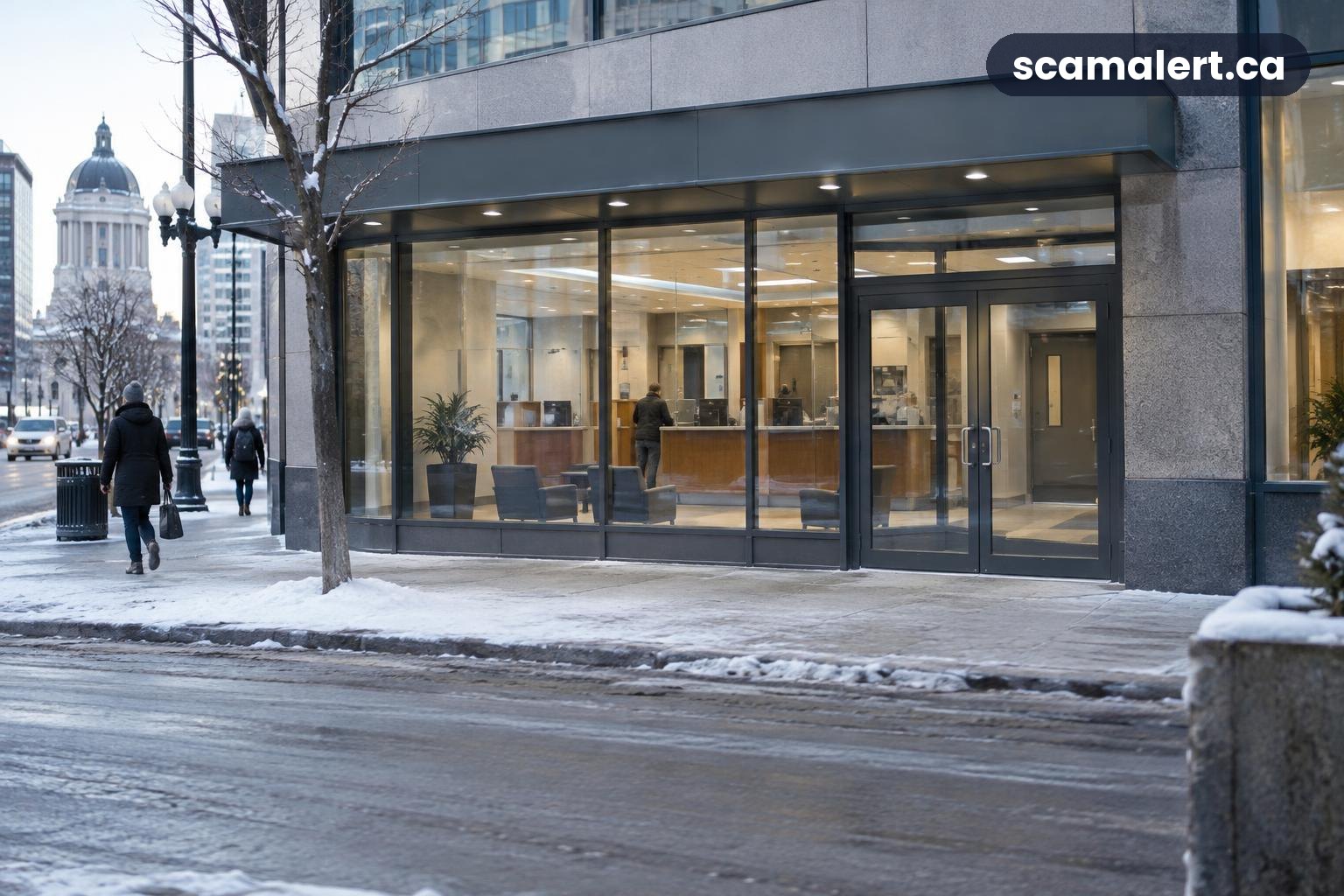
The gold safekeeping scam involves criminals impersonating a bank, according to an RCMP warning. Money.ca reports bank-impersonation losses of $28.6 million in 2026, and Canadians should be cautious of anyone who asks them to move money or obtain gold to supposedly protect their savings.
A caller’s claim that a bank account is at risk can sound convincing, especially if they use personal details or create a sense of urgency. The safest response is to stop the conversation and verify any concern using contact information you find independently.
Gold safekeeping scam: what the warning means
In a bank-impersonation scam, someone pretends to represent a financial institution and tries to persuade a customer to follow instructions that benefit the criminal. The person might claim there is suspicious activity, a security problem or a need to protect funds. A request involving gold adds another way to pressure someone into parting with something valuable.
The exact approach can vary. Someone may try to direct a target to buy or withdraw gold, or to hand over valuables, while claiming they will be kept safe. Treat any unexpected instruction of this kind as a serious warning sign—not as a normal way for a bank to secure your account.
Scammers may reach out by phone, text or email, or use more than one method. A message can also appear to come from a familiar number or display the name of a real bank. That does not prove the contact is genuine. A legitimate bank is not responsible for someone impersonating it.
A person pretending to be a bank employee may keep the target on the line, discourage them from speaking with family or tell them not to contact the bank directly. The aim is to prevent independent checks while the target follows instructions. Even a calm, professional manner is no proof of identity.
Some fraudsters use fabricated details to make an account story sound credible. They might ask for passwords, account numbers, one-time security codes or other private information. Never share those details to prove who you are or to help someone supposedly investigate your account.
Red flags to watch for
- A request to buy, withdraw or hand over gold. Be wary of anyone who says gold is needed to protect your bank account or must be transferred to a person or place for safekeeping.
- Unexpected contact about a security emergency. A caller or message may claim that your money is in immediate danger and insist you act before you can check the story.
- Instructions to move money or valuables. Pause if someone claiming to be from your bank tells you to transfer funds, withdraw cash, purchase valuables or deliver something to another person.
- Requests for confidential information. Do not provide your password, PIN, security code or a one-time verification code to someone who contacts you unexpectedly.
- Pressure to keep the conversation secret. A demand that you avoid speaking to family, bank staff or police is a reason to stop and verify independently.
- Unusual payment or delivery instructions. Be cautious if you are told to use a specific courier, meet a stranger or follow a process you have never used with your bank.
- A caller who controls how you verify them. Do not rely on a number, link or contact method supplied by the person who approached you.
- Threats, urgency or repeated calls. Pressure is not evidence that an account is compromised. Take time to check the claim through a separate, trusted channel.
What to do if you’ve been targeted
- Stop the interaction. End the call or stop replying to messages. Do not argue, follow further instructions or tell the person what you plan to do next.
- Do not hand over gold, money or account details. If you have not yet acted, do not buy or deliver valuables, make a transfer, share a code or install software at the caller’s request.
- Contact your bank independently. Use the number on your bank card, a statement or the institution’s official website, rather than a number or link sent by the person who contacted you. Ask whether your account needs attention and follow the bank’s advice.
- Tell the bank what you shared or did. If you gave out banking details, approved a transaction or made a withdrawal, explain that clearly. Ask the bank to secure your account, review activity and advise whether cards, passwords or access should be changed.
- Act quickly if gold or money has already left your control. Contact your bank about any related transaction and call local police. If a delivery or pickup is being arranged, tell police what is happening and follow their instructions; do not put yourself at risk by confronting anyone.
- Secure accounts and devices as needed. Change affected passwords using a trusted device and a genuine bank website or app. If you shared a verification code or installed software, tell your bank and explain exactly what happened so it can recommend the right steps.
- Keep useful records. Save messages, emails, receipts, transaction details and the time of calls. Do not delete material that may help your bank or police understand what happened, but avoid forwarding suspicious links to others.
- Warn someone you trust. Let a family member or friend know what happened, especially if the person who contacted you is still pressuring you. A second person can help you pause and verify next steps.
How to report it
Report suspected fraud to the Canadian Anti-Fraud Centre online or by phone at 1-888-495-8501. Reporting can help authorities understand fraud patterns, even if you did not lose money or do not know who contacted you.
Contact your local police service if you were threatened, lost money or valuables, or believe someone is arranging a pickup. If banking information or a bank transaction is involved, tell your bank promptly using its official contact details. These reports serve different purposes, so contact all three when they apply.
If the person claimed to represent a particular bank, report the impersonation to that institution as well. Use the bank’s official website or the contact details on your card or statement. Do not use contact information supplied by the suspicious caller or message.
Questions about gold safekeeping scams
Would my bank ask me to buy gold to secure my account?
Treat an unexpected instruction to buy or hand over gold as suspicious. Do not rely on the caller’s explanation. Hang up and contact your bank through a channel you find independently to ask whether there is a genuine account issue.
What if the call appears to come from my bank?
Caller identification can be misleading, and a familiar display name does not confirm who is calling. End the call and use the number on your bank card or statement to check. Do not press buttons, share codes or follow payment instructions while you are trying to verify the contact.
What if I did not lose money?
You can still report the attempt to the Canadian Anti-Fraud Centre and tell your bank if the person used its name or asked for account information. If you shared details, made a payment or arranged a handover, contact your bank and local police promptly as well. Keep any messages or transaction records that could help with a report.
Source: RCMP warn of new gold 'safekeeping' scam as bank-impersonation losses hit $28.6M in 2026 – Money.ca
Reviewed by our editorial team on .

The Scam Alert Team tracks fraud targeting Canadians and turns official warnings into clear, practical advice. Our team has a background in IT and cybersecurity, and every article is fact-checked against official sources before publication. How we verify alerts