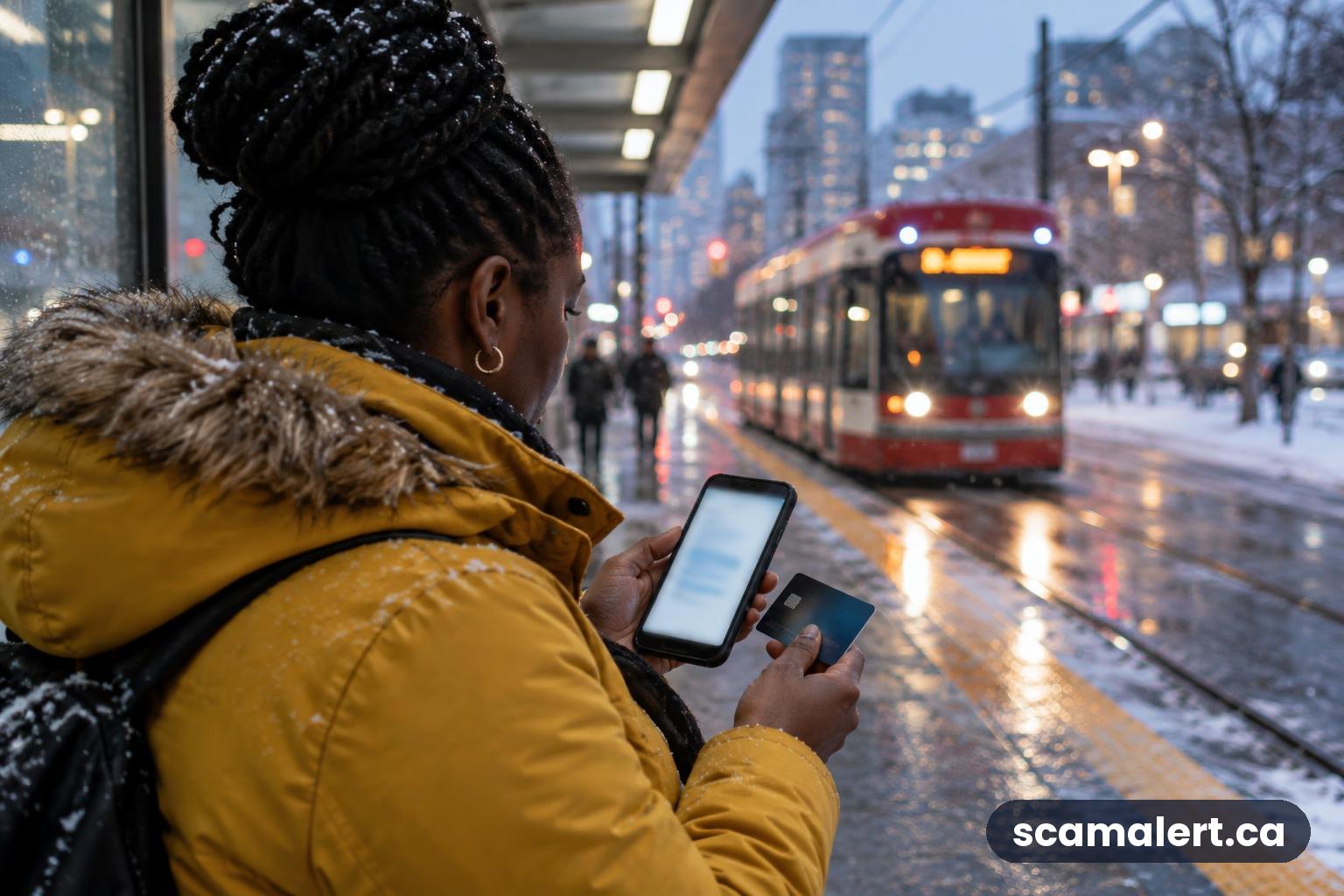
A Nigerian prince scam is a type of advance-fee fraud: someone promises you money or a valuable opportunity, then asks you to pay fees or share personal information to receive it. The promised reward never arrives. If a message asks you to send money first to unlock a supposed inheritance, transfer or prize, stop and verify the claim independently.
The name is a familiar label for this kind of story, not proof that a person from Nigeria is involved. These messages can use many identities and locations. The important warning sign is the request for an upfront payment or sensitive details in exchange for money you cannot verify.
How the scam works
The sender may contact you by email, text, social media, a messaging app or letter. They present an urgent or appealing story: perhaps a person claims to be unable to move a large sum, or says you have been selected to receive an inheritance, prize or business opportunity. They may ask you to keep the matter private or respond quickly.
To make the offer sound plausible, the sender may use official-sounding language, documents, names or explanations. They might say that you need to pay a transfer charge, tax, legal fee or other cost before the money can be released. The amount requested may appear manageable compared with the much larger reward being promised.
After an initial payment, another obstacle may appear, followed by another fee. The sender may keep asking for money or for information such as your banking details, identity documents, address or date of birth. These details could be misused, even if you do not send money. The promised funds do not arrive, and the sender may stop responding or continue pressuring you.
Some versions ask you to receive money into your own account and pass it on. Do not agree. Money that arrives may be connected to fraud, and forwarding it could put you at financial or legal risk. A legitimate-looking message or document does not establish that an offer is genuine.
Common variations Canadians may encounter
The story can change while the basic tactic stays the same: a valuable reward is offered, and you are asked to pay or provide information before you can get it. The following are examples of the kinds of claims used in advance-fee approaches:
- Inheritance or estate: A sender claims that money has been left to you or that you can help release an estate, but asks for fees or personal information first.
- Prize or lottery: You are told you have won something you do not remember entering, then asked to pay charges before receiving it.
- Business or investment opportunity: Someone offers a share of a large transaction or a chance to earn money, but wants an upfront payment or access to your account.
- Official or wealthy stranger: A person says they need your help to move funds, sometimes using an urgent personal story to build trust.
- Relationship or friendship: A contact you have met online may later describe a financial emergency or a blocked payment and ask you to send money. This can combine advance-fee tactics with relationship-based manipulation.
These examples are not proof that every unexpected offer is fraudulent. They are reasons to pause and check carefully, especially when a stranger promises a large reward and makes payment a condition of receiving it.
Red flags to watch for
- You are promised money, an inheritance, a prize or a business windfall you were not expecting.
- You are told to pay a fee before you can receive the promised funds.
- The sender keeps inventing new charges after you have already paid.
- You are urged to act immediately, keep the offer secret or avoid discussing it with others.
- You are asked for banking passwords, verification codes, identity documents or other sensitive information.
- You are asked to receive money and send some of it to another person or account.
- The sender wants payment through a method that is difficult to reverse or trace, such as a wire transfer, cryptocurrency or gift cards.
- The story relies on impressive documents or official-sounding language, but you cannot confirm it through an independent, trusted channel.
- The sender discourages you from contacting a bank, lawyer, family member or the organization they claim to represent.
How to protect yourself
Do not pay to collect an unexpected prize or inheritance, and do not send money just because someone promises a larger amount in return. Treat requests for upfront fees as a reason to stop and verify rather than as a routine step. Do not share banking credentials, one-time security codes or identity documents with an unexpected contact.
Check the claim independently. If a sender claims to represent an organization, find its contact information yourself from a trusted source and ask whether the offer is real. Do not rely on phone numbers, links or email addresses supplied in the message. A convincing logo, document or website can be copied or fabricated.
Take time before deciding. Discuss the message with someone you trust, especially if the sender insists on secrecy or urgency. Keep control of your bank account: never let a stranger use it to receive or move funds. Do not open unexpected attachments or follow links if you are unsure who sent them.
If you have already shared a password or security code, change the password as soon as possible and secure any other accounts that use it. Use a different password for each important account. If you are uncertain whether a message is legitimate, contact the supposed organization through independently verified contact details before replying.
What to do if you have been targeted
- Stop communication and payments. Do not send another fee, provide more information or agree to transfer money. Do not confront the sender or follow instructions to keep paying.
- Contact your bank promptly if money or banking details are involved. Explain what happened and ask what steps may be available to protect your account or try to stop a transaction. If you shared card details, account information or login credentials, tell the bank that too.
- Secure affected accounts. Change passwords that may have been exposed, starting with email and banking accounts. If you shared a security code, password or identity information, tell the relevant bank or service provider and follow its advice.
- Keep evidence. Save messages, email addresses, account names, payment records and documents. Do not send further money to obtain supposed proof or to recover what you lost.
- Tell someone you trust. A second person can help you assess next steps and may notice pressure tactics you have been subjected to. Being targeted is not a reason for shame; report what happened and focus on limiting further harm.
- Report the incident. Contact the Canadian Anti-Fraud Centre and your local police. If money or banking information was involved, contact your bank as well, even if you are unsure whether a payment can be recovered.
How to report a Nigerian prince scam in Canada
Report suspected fraud to the Canadian Anti-Fraud Centre at 1-888-495-8501 or through antifraudcentre-centreantifraude.ca. You can report a suspected attempt even if you did not lose money. Give the centre the details you have, such as how the person contacted you and what they asked you to do.
Also contact your local police to report what happened, particularly if you lost money, shared identity information or received threats. If any money or banking details are involved, notify your bank as soon as possible. Provide copies of relevant messages or transaction records when asked, but keep your original records.
Be cautious of anyone who contacts you unexpectedly and claims they can recover your lost money for a fee. Do not pay a recovery service or share more personal or financial information without verifying who you are dealing with.
Frequently asked questions
Why is it called a Nigerian prince scam?
The label comes from a familiar version of the advance-fee story in which the sender claims to be a prince or another person with access to money in Nigeria. The name describes a type of pitch; it does not mean that people from Nigeria are responsible. Similar approaches can use different identities and countries.
Is every message about an inheritance or prize a scam?
No. But an unexpected promise of money that comes with an upfront fee, pressure to act or a request for sensitive details deserves careful checking. Contact the organization or estate professional through independently verified details rather than using contact information in the message.
Can I get my money back?
It may be difficult to recover money sent to someone you do not know, and no one should promise that recovery is guaranteed. Contact your bank immediately to ask what can be done, and report the incident to your local police and the Canadian Anti-Fraud Centre.
Should I reply to warn the sender or ask for proof?
It is safer not to engage. A reply can confirm that your contact details are active, and documents supplied by the sender may not be reliable. Save what you have, stop communication and report the message.