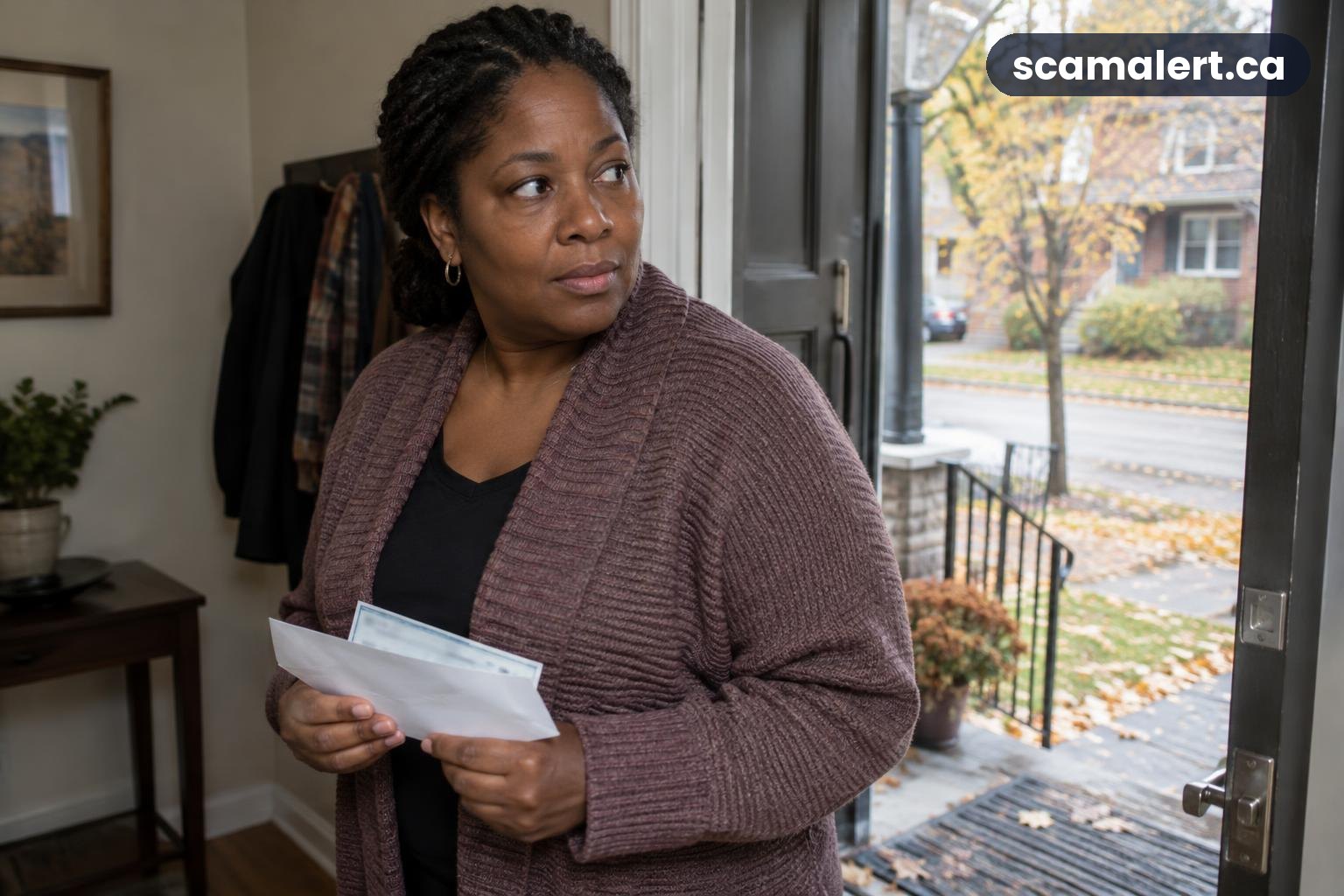
Bad cheque fraud can put Canadians at risk when a cheque appears to clear but the money is later removed from an account. CBC reports that a lawyer accused of fraud says a bad cheque did not hurt the bank; an accusation and a person’s response are not a finding of guilt. The situation is a reminder to understand cheque risks before accepting, depositing or sending money connected to a cheque.
What bad cheque fraud can look like
A cheque is a request for money from the account of the person or organization named on it. A cheque may be returned unpaid if the account lacks funds, is closed, or the cheque is not valid. Some cheques are also altered or made to look as if they come from a legitimate payer. A returned cheque does not, on its own, prove that someone intended to commit fraud.
In a bad cheque fraud scheme, a person may use a cheque that cannot ultimately be paid, then ask the recipient to hand over money, goods or services before the problem is discovered. The request might involve sending back an alleged overpayment, paying a third party, or releasing an item. These are general examples of cheque-related risks; they should not be taken as details of the case CBC reported.
A deposit showing in your account is not always confirmation that the cheque has been finally paid. A bank may make some funds available while it processes the cheque. If it is later returned, the bank can remove the deposit and charge applicable fees under your account terms. You could then owe the money you spent or sent, even if the account balance initially looked higher.
That timing difference is one reason bad cheque fraud can be confusing. A cheque may appear to have been accepted, but the recipient may still be responsible if it is returned. Ask your bank what the deposit status means and whether it can confirm final payment; do not rely on a balance display or a payer’s reassurance as proof.
There is also a difference between a cheque that is returned because of an ordinary payment problem and a deliberate attempt to deceive someone. Intent and the surrounding facts matter. In any reported allegation, the accused person’s position and the outcome of any legal process should be kept distinct from established findings.
Red flags to watch for
- You are asked to act quickly. A payer says you must release goods, provide a service or send money before there is time to verify the cheque. Pressure can prevent you from checking the details or contacting your bank.
- The amount is more than expected. Someone sends a cheque for too much and asks you to return the difference or pay another person. Treat this request cautiously, even if the deposit appears in your account.
- You are asked to forward money. A stranger or new contact wants you to deposit a cheque and then transfer, withdraw or send some of the money elsewhere. You could be left responsible if the cheque is returned.
- The payer discourages independent checks. They insist that their own explanation, screenshot or confirmation is enough, or tell you not to contact your bank. Use a contact method you find independently instead.
- The cheque details seem inconsistent. Look for mismatched names, unexpected amounts, unclear changes, or details that do not fit what you agreed to. A polished appearance does not prove that a cheque is genuine.
- You are offered a cheque for an unusual reason. Be cautious if a person you do not know wants to pay by cheque when another agreed method was expected, or gives an unclear explanation for the payment.
- You are asked for sensitive information. A payer does not need your online banking password, one-time security code or remote access to your device to pay you by cheque. Do not share these details to “verify” a payment.
- The transaction does not make sense. If the person’s explanation keeps changing, or the payment and the requested next step do not match your agreement, pause and get advice from your bank.
What to do if you’ve been targeted
- Pause the transaction. Do not send money back, pay a third party, hand over goods or provide a service just because a cheque appears in your account. If you have not deposited it, contact your bank before doing so and ask how to handle it.
- Call your bank using a trusted number. Use the number on your bank card, statement or official banking app—not a number supplied by the person who gave you the cheque. Explain what happened and ask whether the cheque was returned, whether the funds are final, and what steps you should take.
- Do not spend or move the funds while you are checking. If you already deposited the cheque, leave the related amount untouched where possible. Ask the bank whether the deposit can still be reversed and how to reduce further loss. Do not assume that money is safe to use because it is visible in your balance.
- Contact the other party only if it is safe and useful. Do not follow instructions to keep the transaction secret or to pay extra fees to release money. If you suspect deception, avoid further transfers and keep communication on the service or channel where the transaction began.
- Save the evidence. Keep the cheque or a clear copy, deposit records, messages, emails, receipts, account notices and details of any transfers. Record what happened and when, using information you know to be accurate. Do not edit or delete messages that could help explain the transaction.
- Secure accounts if you shared credentials. Change affected passwords using the official app or website, and contact your bank if you disclosed banking information, a security code or card details. If you reused that password elsewhere, change it on those accounts too. Never share a new verification code with someone who contacts you.
- Get help if a transaction or sale is involved. Contact the marketplace or organization used for the exchange and ask about its reporting process. If you gave away goods, services or money, tell the bank and local police what happened and provide the records you kept.
How to report it
Report suspected bad cheque fraud to the Canadian Anti-Fraud Centre at 1-888-495-8501 or through its official website, antifraudcentre-centreantifraude.ca. The centre collects information about fraud and provides guidance. Include what you were told, how payment was made, what you did, and any contact or transaction records you have.
Contact your local police service to report suspected fraud, especially if you lost money, property or services. Ask how to provide your records and keep the file or occurrence information they give you. Reporting can help document what happened, even if you are uncertain whether the cheque problem was deliberate.
If money or banking details are involved, notify your bank promptly using an official contact channel. Ask it to review the cheque and any related transactions, protect your account and explain whether the deposit may be reversed. Keep notes of your conversations and follow the bank’s instructions.
When in doubt, wait before accepting a cheque as final payment. Verify the situation directly with your bank, do not send funds onward, and report suspicious requests through the appropriate Canadian channels.
Source: Lawyer accused of fraud says bad cheque didn’t hurt the bank – CBC
Reviewed by our editorial team on .

The Scam Alert Team tracks fraud targeting Canadians and turns official warnings into clear, practical advice. Our team has a background in IT and cybersecurity, and every article is fact-checked against official sources before publication. How we verify alerts