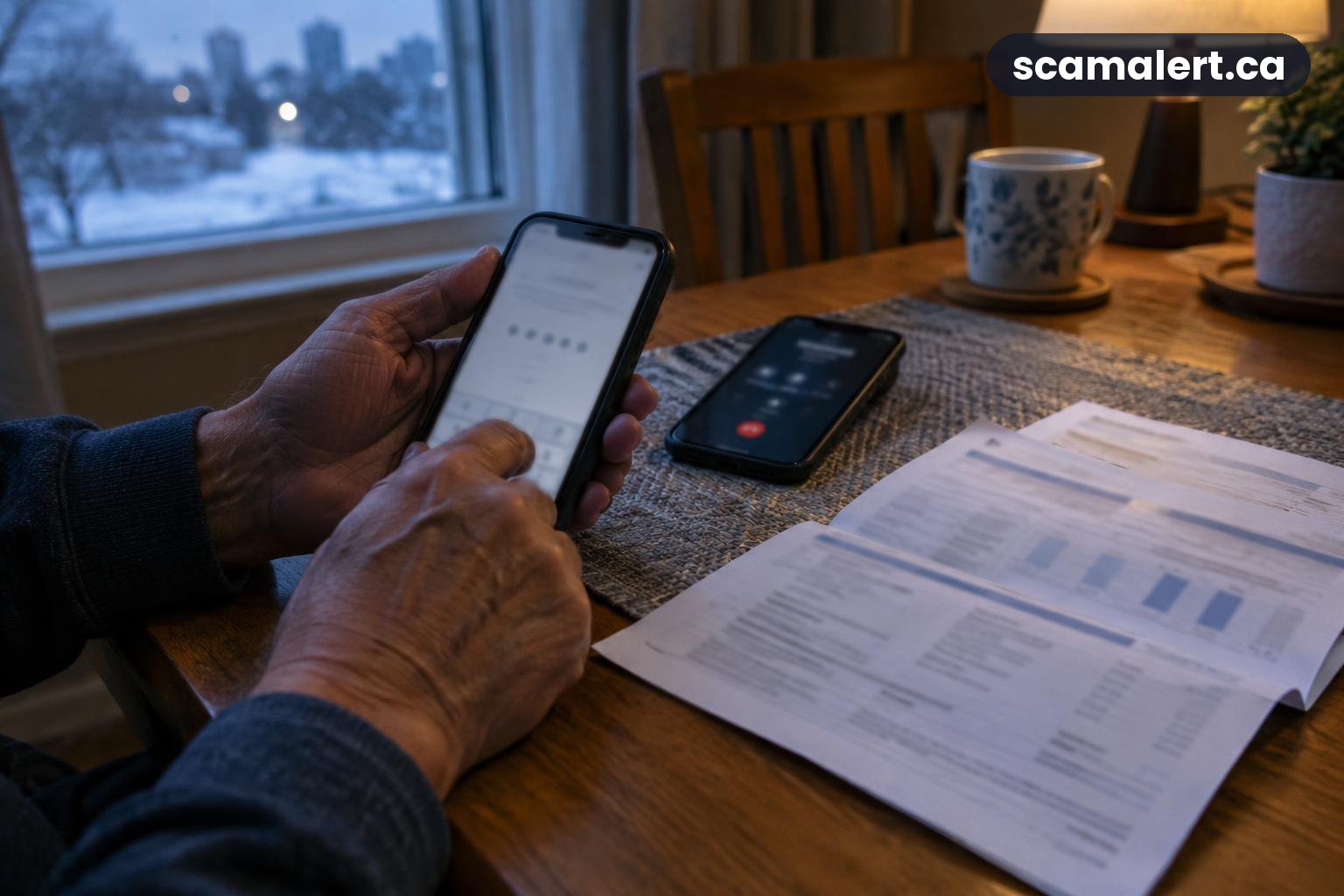
Cellphone provider fraud is the concern behind an Ontario Provincial Police (OPP) warning to the public. Fraudsters are impersonating telecommunications company representatives and contacting individuals with offers of a free or heavily discounted cellphone as part of a promotional program. Victims are persuaded to accept the offer and provide information required to process the order.
A mobile number can be connected to calls, messages and account-recovery processes, so unexpected account changes deserve prompt attention. A message or call that appears to come from a provider is not proof that it is genuine: verify it using contact details from your bill, the provider’s official app or its website that you enter yourself.
What cellphone provider fraud can look like
Cellphone provider fraud is a broad term. It can involve someone pretending to be a customer-service representative, trying to get information about your account, or attempting to make an unauthorized change. The OPP notice supplied for this article does not say which kind of activity prompted its warning; do not assume that every example below was part of that specific warning.
A person claiming to represent a provider might contact you unexpectedly and say there is a problem with your account, a charge to fix, or an urgent need to confirm your identity. They may ask for account passwords, a one-time verification code, payment information or other personal details. A legitimate-looking caller name or message can be copied or imitated, so it is safer to end the conversation and contact the provider yourself.
Another possible risk is an unauthorized change to your mobile account or phone number. If your phone unexpectedly loses service, or you receive a notice about a change you did not request, contact your provider through an independently verified channel. A loss of service can have ordinary causes too, but it is worth checking promptly when it occurs alongside unfamiliar account alerts or login problems.
Mobile accounts may also be used as part of attempts to access other services. For example, if a criminal can receive messages sent to your number, they may try to use text-based verification or account recovery elsewhere. This is one reason to protect provider-account access and to use other available security options for important accounts.
Red flags to watch for
- An unexpected request for a code: Do not share a sign-in or verification code with someone who calls or messages you. A code may be intended only for you to enter into a service you initiated.
- Pressure to act immediately: Be cautious if someone says you will lose service, face an immediate penalty or miss a benefit unless you respond at once. Pause and verify independently.
- Requests for passwords or payment details: Do not provide account credentials, banking details or payment information in response to an unsolicited contact. Check with your provider through a known channel.
- Unexpected account notices: Treat a password reset, new device, billing change or service change you did not request as a reason to review your account and contact the provider.
- Sudden loss of mobile service: If your phone stops connecting and you also see unusual account activity, use another phone or a trusted internet connection to contact the provider.
- A link or number supplied in an urgent message: Do not rely on contact information in a message you were not expecting. Find the provider’s official contact details independently.
- Unfamiliar activity elsewhere: Alerts about email, banking or social accounts that you did not initiate may signal that more than one account needs attention.
What to do if you’ve been targeted
- Stop communicating with the unexpected contact. Do not reply, click its links, install an app at the caller’s request or share a code. If you are on a call, hang up. You can still check whether there is a real issue by contacting your provider yourself.
- Reach your cellphone provider through a trusted route. Use the number on a bill or the provider’s official app or website, rather than a number or link sent by the unexpected contact. Explain what happened and ask the provider to review recent account activity and secure the account. If your phone has lost service, contact the provider from another device or visit a service location if that is practical.
- Change affected passwords and strengthen account security. If you shared a password, change it using the genuine service. If you reused it elsewhere, update those accounts too. Where available, use a unique password and an authentication method that does not depend only on text messages.
- Check important accounts for changes. Look for unfamiliar sign-ins, contact details, recovery options or transactions. Secure your email account as well, since it may be used to reset access to other services. If banking details or access may have been exposed, contact your bank immediately using the number on your card or statement.
- Keep a record of what happened. Save messages, emails, dates, call details and account notices. Do not forward suspicious links to others or post private account information publicly. These records can help your provider, bank or police understand what occurred.
- Watch for follow-up approaches. Someone may contact you again claiming they can fix the issue or recover money. Do not pay or provide more information based on an unsolicited promise. Verify every new contact independently.
How to report it
Report suspected cellphone provider fraud to the Canadian Anti-Fraud Centre (CAFC) online at antifraudcentre-centreantifraude.ca or by calling 1-888-495-8501. The CAFC accepts reports about suspected fraud and can use information from the public to help identify patterns. Reporting is useful even if you did not lose money.
Contact your local police if you believe a crime occurred, your identity or account was misused, or you need to report a loss. If money or banking details were involved, contact your bank immediately using a trusted number, such as the one on your bank card or statement. Ask what steps are available to protect the account and review any transactions you do not recognize.
You can also contact the Canadian Radio-television and Telecommunications Commission at its official website for information about telecommunications and consumer issues. Keep a note of when you contacted each organization and follow any instructions they provide. If you are uncertain whether an alert is genuine, avoid using the contact details in the alert and verify through a source you already trust.
Source: OPP warns public about cellphone service provider fraud – GRANT HAVEN MEDIA
Reviewed by our editorial team on .
Last updated

The Scam Alert Team tracks fraud targeting Canadians and turns official warnings into clear, practical advice. Our team has a background in IT and cybersecurity, and every article is fact-checked against official sources before publication. How we verify alerts