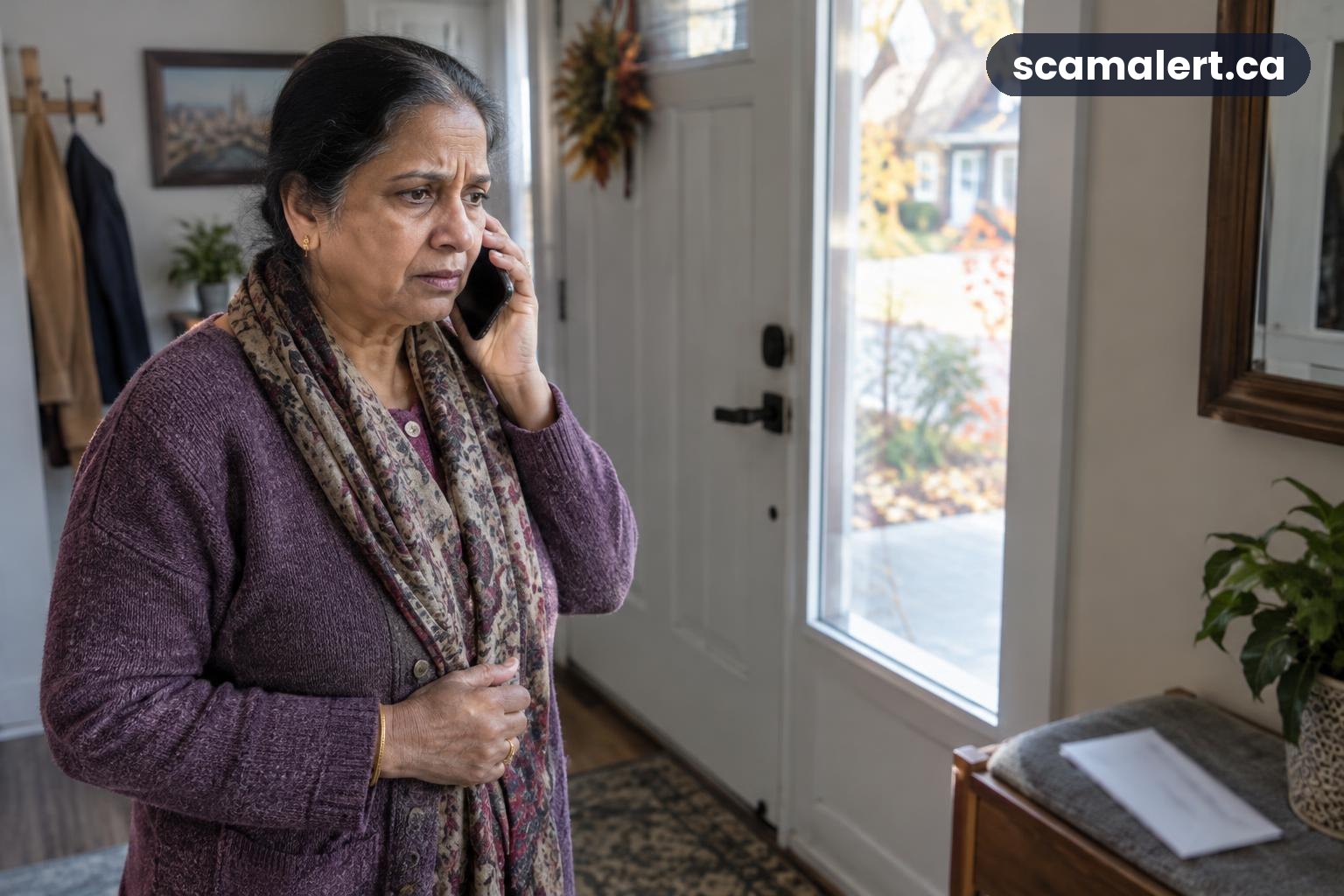
A grandparent scam warning comes after CBC reported that Winnipeg police say a fourth victim was swindled out of $14,000 in a case involving an Edmonton man. These schemes can target older adults and anyone who might be pressured by a sudden claim that a loved one is in trouble.
What the grandparent scam looks like
In a typical grandparent scam, someone contacts a person by phone and pretends to be a grandchild or another relative. The caller may say they have been arrested, injured, stranded or are facing an urgent legal problem, then ask for money right away. The caller may also claim that they cannot speak freely or that the person must keep the situation secret.
Some versions involve a second person who claims to be a lawyer, police officer or other official. They may arrange to collect cash or valuables, or direct the target to send money another way. The details and payment requests can vary; do not assume that a familiar-sounding voice or a convincing story proves the caller is who they claim to be.
The pressure is part of the tactic. A caller may try to keep you on the line, insist there is no time to check the story, or ask you not to contact other relatives. In a real emergency, taking a moment to verify the details is still sensible. A genuine family member should not object to you independently checking who is calling.
The Winnipeg case reported by CBC is a reminder that people can lose substantial sums to these claims. The report identifies a fourth victim and a $14,000 loss, but the same basic warning applies wherever you live: pause before paying, and verify the emergency using contact information you already trust.
Red flags to watch for
- A sudden emergency: The caller claims a relative needs money immediately because of an arrest, accident or other crisis.
- Pressure to act in secret: You are told not to speak to other family members or to keep the call confidential.
- A demand for fast payment: The caller insists there is no time to check the story or contact the person they claim to be.
- Unusual payment instructions: You are asked for cash, gift cards, cryptocurrency, a wire transfer or another payment method that is difficult to reverse.
- A pickup arranged at your home: Someone says they will collect money or valuables in person. Do not hand anything over just because the caller says it is urgent.
- Questions that help build a story: A caller may ask you to supply a relative’s name or other details, then use your answers to sound convincing.
- A familiar voice or caller ID: Voices can be imitated or altered, and caller ID can be misleading. Neither one is proof of identity.
- Instructions not to hang up: Keeping you on the phone can prevent you from checking with the relative or asking someone else for help.
What to do if you’ve been targeted
- Stop the conversation before paying. Hang up or say you need time to verify the request. Do not agree to meet a courier, share banking details, or send money while you feel pressured.
- Contact the relative directly. Use a number saved in your contacts or another number you already know is theirs. Do not call a number supplied by the person who contacted you. If you cannot reach the relative, contact another trusted family member or friend to check the story.
- Ask a second person to help. A trusted person can listen, help you think through the request and contact the family member while you stay calm. If you live alone, consider calling someone you trust before taking any action.
- Keep the details. Save messages, call logs, emails, payment receipts and any instructions you received. Write down what you remember about the contact and when it happened. Do not delete records that may help your bank or police understand what occurred.
- If money or banking information was shared, contact your bank promptly. Use the number on your bank card or statement, or sign in through the bank’s official app or website. Explain what happened and ask whether the payment can be stopped, whether your account or cards should be secured, and what steps to take next.
- Secure accounts and identity information. If you gave out a password, change it from a trusted device and avoid reusing it elsewhere. If you shared account or identity details, tell your bank and ask what additional protections are appropriate.
- Tell family members about the attempt. This can help them recognize a similar call and agree on a way to verify future emergencies. A family passphrase may be useful, but keep it private and do not reveal it to an unverified caller.
- Report the incident even if you did not pay. An attempted scam can still provide useful information to police and the Canadian Anti-Fraud Centre. If someone is at your door seeking money, do not let them in; contact local police if you feel unsafe.
How to report it
Report the grandparent scam to the Canadian Anti-Fraud Centre online at antifraudcentre-centreantifraude.ca or by calling 1-888-495-8501. You can report an attempt even when no money was lost. Include the method of contact, the claims made and any payment instructions, while keeping copies of messages and receipts.
Contact your local police service to report what happened, especially if money was taken, someone came to your home or you feel threatened. If you are in immediate danger, contact emergency services. If banking information or funds were involved, notify your bank as soon as possible and follow its advice about securing accounts and disputing or tracing a payment.
Protecting relatives from a family emergency scam
Talk about the grandparent scam before anyone receives a frightening call. Agree that family members can always end a suspicious call and phone each other back using a known number. Make it clear that nobody should be embarrassed to pause, ask for help or verify an emergency, even if the caller says that waiting will cause trouble.
Older adults may benefit from having a trusted contact they can call when a request for money feels unusual. Families can also discuss which kinds of payment they will never arrange over an unexpected call. These conversations are not about restricting someone’s independence; they give everyone a calm plan to follow when a caller tries to create urgency.
If someone contacts you with a story about a relative, treat the request as unverified until you have checked it independently. A real emergency can withstand a phone call to the family member or another trusted person. The safest response to a grandparent scam is to stop, verify, and report suspicious contact rather than sending money under pressure.
Source: 4th victim of Edmonton man's grandparent scam was swindled of $14K: Winnipeg police – CBC
Reviewed by our editorial team on .

The Scam Alert Team tracks fraud targeting Canadians and turns official warnings into clear, practical advice. Our team has a background in IT and cybersecurity, and every article is fact-checked against official sources before publication. How we verify alerts